At Sydney Dental Aesthetics & Implants (SDAI), we understand that making informed decisions about your dental care often starts with asking the right questions.
In our video FAQs, Dr Dean Licenblat answers some of the questions patients commonly ask about dental treatments, procedures and what to expect when visiting SDAI.
You can also explore our general FAQs below for helpful information about appointments, our Martin Place practice, dental care, sedation and other commonly asked questions.
Dr Dean Licenblat Answers your Questions
What are Dental Implants?
Who is suitable for Dental Implants?
Why would someone need Dental Implants?
Should I choose a Dental Implant or Bridge?
What’s involved in the Dental Implant journey?
Will it hurt to have Dental Implants?
What are the anaesthesia options?
Have you ever been told you don’t have enough bone?
Dental Implants
What are dental implants?
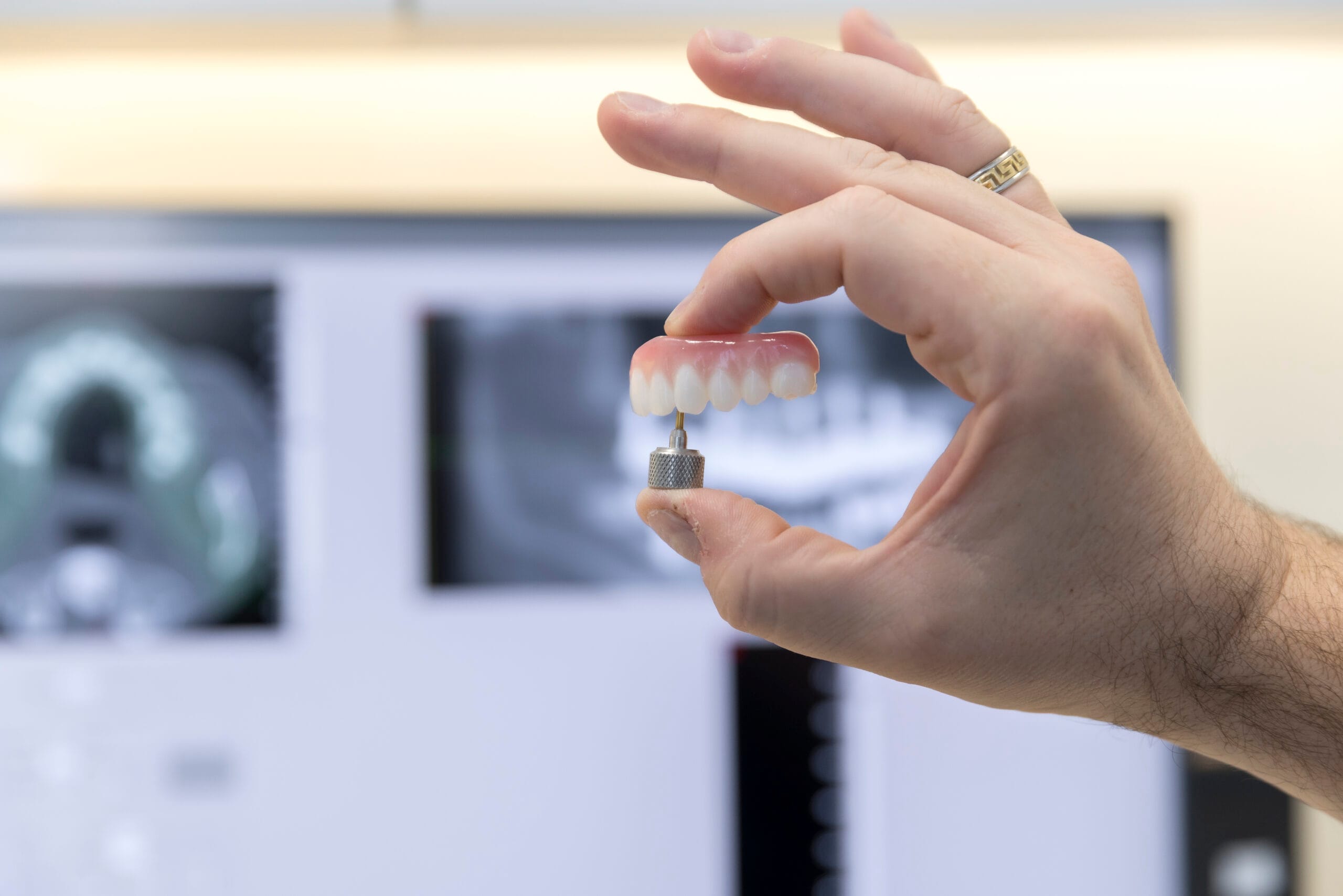
Dental implants are small components placed in the jawbone to support replacement teeth. They are designed to integrate with surrounding bone and may form part of a treatment plan to restore function and appearance depending on individual circumstances.
Am I suitable for dental implants?
Suitability varies between individuals and depends on factors such as bone quality oral health and medical history. A consultation is required to assess whether dental implants may be appropriate.
How long does dental implant treatment take?
Treatment timelines vary depending on the procedure and healing requirements. Some treatments may be completed over several months while others may involve staged approaches based on clinical needs.
What are the alternatives to dental implants?
Alternatives may include removable dentures or bridges. The most appropriate option depends on individual clinical needs and is discussed during consultation.
Do dental implants require maintenance?
Implants require ongoing oral hygiene and professional maintenance. Regular dental visits are important to monitor implant health over time.
Are dental implants painful?
Dental implant procedures are typically performed under appropriate anaesthesia. Patients may experience some discomfort during healing which varies between individuals and is discussed as part of the treatment process.
How much do dental implants cost in Sydney?
Costs vary depending on the number of implants required the complexity of treatment and whether additional procedures such as bone grafting are needed. A personalised treatment plan is provided following consultation.
Can dental implants be used to replace multiple teeth?
Dental implants may be used to replace one or more missing teeth including supporting bridges or full arch restorations. The appropriate approach depends on individual clinical assessment.
All On 4 Dental Implants
What is All on 4 dental implant treatment?
All on 4 is a technique where a full arch of teeth is supported by four dental implants. It may be considered for individuals with multiple missing or failing teeth following clinical assessment.
Is All on 4 suitable for everyone?
Not all patients are suitable candidates. Suitability depends on bone structure oral health and overall medical considerations which are evaluated during consultation.
Can All on 4 be done without bone grafting?
In some cases the angulation of implants may reduce the need for bone grafting. However this depends on individual anatomy and must be assessed clinically.
How does All on 4 compare to dentures?
All on 4 is designed as a fixed alternative to removable dentures. Treatment options are discussed based on each patient’s needs and preferences.
What is the recovery process for All on 4?
Recovery varies depending on the individual and treatment complexity. Post operative care and healing timelines are explained as part of the treatment planning process.
How long do All on 4 implants last?
Longevity can vary depending on factors such as oral hygiene general health and ongoing maintenance. Regular dental care is important to support long term outcomes.
Can All on 4 be done in one day?
Some treatment protocols may allow for same day placement of temporary teeth. However suitability depends on individual clinical factors and is assessed during consultation.
What are the alternatives to All on 4?
Alternatives may include removable dentures or other implant supported options. The most appropriate treatment depends on individual needs and preferences.
Zirconia Implants
What are zirconia dental implants?
Zirconia implants are a ceramic metal free alternative to traditional titanium implants. They may be considered for patients who prefer a non metal option depending on clinical suitability.
Are zirconia implants suitable for everyone?
Suitability varies depending on individual clinical factors and is assessed during consultation.
What are the differences between zirconia and titanium implants?
Zirconia implants are ceramic and white in colour while titanium implants are metal. Each option has different characteristics and selection depends on clinical needs and patient preferences.
Why might someone consider metal free implants?
Some patients may prefer a non metal option due to personal preference or specific sensitivities. This is discussed during treatment planning.
How are zirconia implants planned?
Planning may include clinical examination imaging and discussion of treatment options risks and alternatives before proceeding.
Are zirconia implants as strong as titanium implants?
Both zirconia and titanium implants have different material properties. The choice of implant type depends on clinical requirements and is determined during treatment planning.
Can zirconia implants be used for full arch cases?
In some cases zirconia implants may be considered as part of a broader treatment plan. Suitability depends on individual factors and requires clinical assessment.
Do zirconia implants look more natural?
Zirconia implants are tooth coloured which may be considered in aesthetic planning. Treatment decisions are based on clinical suitability and patient preferences.
Complex Cases and Bone Grafting
What is considered a complex dental implant case?
Complex cases may involve bone loss multiple missing teeth previous implant complications or the need for advanced procedures such as bone grafting.
Can I have dental implants if I have bone loss?
In some cases procedures such as bone grafting or alternative implant techniques may be considered. Suitability is assessed during consultation.
What is bone grafting for dental implants?
Bone grafting is a procedure used to increase bone volume where required. It may be recommended as part of implant treatment planning.
Can failed dental implants be replaced?
In some cases previously placed implants may be assessed and managed as part of a new treatment plan. This depends on individual clinical factors.
Do you accept referrals for complex implant cases?
Patients may be referred by their dentist for assessment and management of implant related treatment including complex cases.
What is a sinus lift and when is it needed?
A sinus lift is a procedure used to increase bone height in the upper jaw where required for implant placement. It may be considered depending on anatomical factors identified during assessment.
How long does bone grafting take to heal?
Healing times vary depending on the type of graft and individual healing response. This is discussed as part of treatment planning.
Can complex implant cases be treated in stages?
Yes some complex cases may involve staged treatment approaches to allow for healing and optimal planning. The sequence of treatment is tailored to the individual.
Dental Hygiene
What is a Dental Hygienist?
A Dental Hygienist is a registered oral health professional who works alongside dentists to provide preventive care and support patients in maintaining their oral health. Hygienists focus on early identification of gum concerns, patient education, and procedures that help manage plaque and calculus.
Common responsibilities of a Dental Hygienist include:
- Providing oral health education tailored to individual needs, including guidance on home care techniques and general information on factors that may influence oral health.
- Working with the dentist to support ongoing oral health maintenance plans, which may include the assessment of radiographs as part of routine monitoring.
- Removing plaque, calculus, and surface stains from teeth through professional cleaning procedures.
- Applying preventive agents, such as fluoride, where appropriate, and discussing suitable at-home oral care products.
Why is dental care at home so important?
Daily oral care practices, such as thorough brushing and flossing, play an important role in maintaining the health of your teeth and gums. Effective plaque control at home can support the work done during professional dental visits and may help reduce the risk of developing conditions such as gum inflammation or tooth decay.
Is it expensive to see a Dental Hygienist?
The cost of seeing a Dental Hygienist varies depending on the type of appointment and the procedures carried out. Fees are discussed with you beforehand, and a treatment plan is provided so you know what to expect before any care begins. If you have private health insurance, your level of cover may also influence your out-of-pocket costs.
Why doesn’t the dentist do the work?
Dental Hygienists are registered oral health professionals who complete accredited training focused on preventive care, including gum health assessments, plaque and calculus removal, and oral hygiene education. They work alongside dentists as part of a team-based approach, allowing preventive care and maintenance to be carried out efficiently while the dentist focuses on diagnosis and other clinical procedures. Each practitioner contributes according to their scope of practice and training.
Root Canal Treatment
What is Root Canal Treatment?
Root Canal Treatment is a procedure performed to treat inflammation or infection of the nerve of the tooth commonly called the ‘pulp’. In a root canal infection, bacteria may reach the nerve and the products of infection often spread through the tip of the root into the surrounding bone often forming an abscess that lead to severe pain and sometimes swelling. Causes of pulp injury or damage may include deep dental decay, traumatic blows to teeth, loose or leaking fillings, cracked teeth and excessive wear and tear of teeth.
What does Root Canal Treatment involve?
The treatment involves 2-3 stages and can take several appointments depending on how complex your root canal anatomy is.
- Stage 1 – The canals of the tooth are located and the infected pulp and necrotic tissue is removed. The tooth then has a sedative dressing placed to help the tooth settle down and relieve pain prior to temporisation.
- Stage 2 – The canals of the tooth are cleaned, shaped and medicated in order destroy any remaining bacteria and prepare the tooth to receive the root canal filling.
- Stage 3 – The canals of the tooth are obturated or ‘filled’ to prevent re-infection. At this stage a post and core may also be performed depending on the nature, quality and quantity of the remaining tooth structure.
Is Root Canal Treatment painful?
Local anaesthesia is typically used during root canal treatment to help minimise discomfort. Most patients report feeling pressure rather than pain during the procedure, although individual experiences can vary.
Some tenderness or sensitivity may occur in the days following treatment as the area settles. Your dentist will discuss what to expect afterward and may recommend appropriate pain-relief options if needed.
Why Couldn’t You Just Remove the Tooth?
Tooth removal is an option in some situations, but it can change the way the remaining teeth function together. When a tooth is missing, nearby teeth may shift over time, which can affect biting efficiency and make cleaning more difficult. Your dentist will discuss whether replacing a missing tooth—such as with a bridge or implant—may be advisable in your case.
Root canal treatment is one way to retain a natural tooth when it is suitable to do so. This option helps preserve the existing tooth structure and may reduce the need for additional procedures on neighbouring teeth. Your dentist will assess your individual circumstances and explain the treatment options, including the benefits and limitations of each approach.
Tooth Whitening
Is it safe to whiten your teeth?
Professional teeth whitening is a procedure offered by dentists using regulated products and concentrations. When carried out under dental supervision, whitening is planned with consideration of your individual oral health, existing restorations, and sensitivity levels.
Whitening products work through chemical reactions that lighten the appearance of tooth enamel. As with any dental procedure, individual responses can vary. Some people may experience temporary tooth or gum sensitivity during or after treatment. Your dentist will assess your suitability for whitening and discuss what you can expect, including any potential risks or limitations.
How much lighter will my teeth be?
The degree of whitening varies from person to person. Factors such as your natural tooth shade, type of discolouration, oral hygiene habits and the whitening method used can influence the outcome. Your dentist can provide an indication of what may be achievable after assessing your teeth, although specific results cannot be guaranteed.
How long does Tooth Whitening last?
Whitening results are not permanent. The duration of the effect depends on individual factors, including diet, oral hygiene habits and exposure to substances that commonly stain teeth. Your dentist can discuss how to maintain results and whether occasional maintenance whitening may be suitable for you.
What are the side-effects of teeth whitening?
Some people may experience temporary tooth or gum sensitivity during or after whitening. This can vary depending on the product used and individual susceptibility. Your dentist will assess your suitability and provide guidance on how to manage any sensitivity if it occurs.
Cosmetic Dentistry
What is cosmetic dentistry?
Cosmetic dentistry refers to dental treatments aimed at improving the appearance of teeth and enhancing a person’s smile. These treatments can include procedures such as porcelain veneers, crowns, bridges, implants, teeth whitening, bonding, and tooth-coloured fillings.
Many dental procedures involve both functional and aesthetic considerations, and your dentist will discuss options that may be suitable for your individual goals and oral health needs. Treatment recommendations are always based on a clinical assessment and what is most appropriate for each patient.
What can I do about yellow teeth?
Tooth discolouration can occur for many reasons, including dietary habits, ageing, or staining from certain products. Dental practices commonly offer a range of whitening approaches, including in-chair and take-home options. To determine which option is best suited for your needs, we recommend you contact our office to schedule an initial consultation.
My smile is crooked, what can I do about it?
There are several approaches that may help improve the appearance of misaligned teeth. Orthodontic treatment is commonly used to adjust tooth position, and for some adults, restorative options such as dental bonding, veneers, crowns, or bridges may also be considered.
The most suitable approach depends on your oral health, your goals, and the clinical findings from an examination. Your dentist can discuss the available treatment pathways and outline what may be appropriate for your individual situation.
I have a “gummy” smile, what are my options?
Some people notice that more gum tissue shows when they smile, or that the gum line appears uneven. There are several clinical approaches that may help improve the appearance of the gums, including procedures that reshape or adjust the gum tissue.
Laser-assisted soft-tissue treatment may be considered in some cases, and your dentist can assess whether this approach is appropriate for you. The suitability of any procedure depends on your individual oral health, and your dentist will discuss the potential benefits, limitations, and expected recovery as part of a personalised treatment plan.
My crown in the front doesn’t match my teeth and it looks fake. What can be done?
When an existing crown differs in colour or shape from the surrounding teeth, there are options that may help improve its appearance. Crowns can be made from a range of materials, including porcelain and other ceramic systems, each with their own characteristics.
If a crown is showing a visible margin near the gum line or does not blend with nearby teeth, your dentist can assess whether replacing it with a different material or design may be suitable. Modern ceramic restorations can be shaped and shaded to integrate more closely with your natural teeth, depending on your individual situation.
A consultation allows your clinician to examine the crown, discuss available material options, and help determine the most appropriate approach for your oral health and aesthetic goals.
Why would I need a Crown?
A porcelain crown is often a solution to replace large worn fillings, repair a tooth that has cracked, has undergone Root Canal treatment or fix a tooth which has a very large cavity. The crown covers and provides increased protection for the underlying natural tooth structure beneath it as well as aiming to improve the tooth’s overall appearance.
What is the difference between a crown and a bridge?
Both crowns and bridges are referred to as restorative dentistry. They are used to return your teeth to their desired look, strength and stability. A crown is used when a single tooth is damaged. A bridge is used when one or more teeth are missing. Crowns and bridges both add stability to the surrounding teeth and aim to give your teeth a more natural appearance.
What are veneers?
Porcelain veneers are thin ceramic coverings that are placed on the front surface of teeth. They are designed to change the appearance of teeth and may be considered for concerns such as colour, shape, size or spacing, depending on individual suitability.
Veneers can be an option for patients with healthy underlying tooth structure, and your dentist will assess whether this approach is appropriate for your specific situation. They are one of several treatment options available to support aesthetic goals and are planned carefully to ensure they complement your overall oral health.
How long do Veneers & Crowns lasts?
The longevity of veneers and crowns varies between individuals and is influenced by factors such as oral hygiene, bite forces, diet, and general dental health. Ceramic restorations are designed to be durable, but like natural teeth, they can still wear or chip over time.
Your dentist will discuss how to care for your restoration and the factors that may affect its lifespan. Regular check-ups help monitor the condition of veneers and crowns and support long-term maintenance.
What types of conditions can porcelain veneers and crowns fix?
Porcelain veneers and crowns can be used for various purposes including:
- Reinforcing heavily restored or root canal treated teeth
- Broken or chipped teeth
- Crooked, crowded or misaligned teeth
- Discolored or stained teeth
- Gaps between teeth
- Worn teeth
- Veneers can be used on multiple teeth – either top or bottom or both for smile makeover cases
How much tooth structure is removed when doing veneers?
The amount of tooth preparation required for veneers varies depending on your individual dental situation and the desired outcome. Your dentist will assess factors such as tooth position, existing restorations, and the planned shape and alignment before determining how much tooth structure needs to be adjusted.
In many cases, veneers can be planned to conserve as much natural tooth as possible, but the exact amount will differ for each patient. During your consultation, your clinician will explain what is involved and discuss the approach that is most appropriate for your treatment needs.
Why might someone choose porcelain restorations instead of amalgam?
Porcelain and amalgam are different types of dental materials, each with their own characteristics. Porcelain restorations are tooth-coloured and can be shaped to blend with surrounding teeth. They are bonded to the tooth structure and may be considered in situations where an aesthetic, tooth-coloured option is preferred. Your dentist can explain the advantages and limitations of each material and help determine the most suitable option for your clinical situation.
Are porcelain fillings more expensive than metal or resin fillings?
Porcelain restorations generally have a higher upfront cost than some other filling materials because they require different fabrication processes and equipment. The choice of material depends on factors such as the location of the tooth, functional needs, aesthetic preferences, and your clinician’s recommendation.
Your dentist can discuss the benefits and limitations of each option, along with the associated costs, to help you choose a material that suits your individual clinical situation and treatment goals.
What’s the difference between porcelain and plastic fillings?
Plastic fillings are made directly in the mouth by placing a thick resin putty into the cavity within the tooth and setting or “curing” it with a blue light. Porcelain restorations are fabricated from a solid porcelain block and is typically a more durable material. Plastic resin fillings are best suited when kept small or where the tooth is not biting against the opposing tooth. Medium to large restorations are ideally restored with bonded porcelain.
Amalgam Removal
Should I have my old mercury amalgam fillings replaced even if they aren’t broken or decayed?
If an existing amalgam filling is functioning well and there is no clinical concern, replacement is not always required.
Some patients choose to replace older amalgam fillings for aesthetic reasons or as part of a broader treatment plan. If you are considering a change, your dentist can assess the condition of the tooth and filling, discuss available material options, and explain what may be suitable for your individual situation.
Any decision to replace a filling is based on factors such as wear, decay, fractures, your preferences, and overall oral health needs.
I have decay and need a filling. Is there an alternative to the amalgam fillings?
There are several dental materials that can be used to restore a tooth, including amalgam, composite (white) resin, and various types of ceramic or porcelain restorations. Each material has its own characteristics, and the most suitable option depends on factors such as the size of the cavity, the location of the tooth, your bite, and your individual preferences.
How is the Amalgam safely removed?
When an amalgam filling needs to be replaced for clinical reasons, dentists follow established protocols to manage the procedure efficiently and comfortably. These measures are intended to support good infection control and procedural hygiene. They may include:
- Using a rubber dam to help isolate the tooth
- Using burs appropriate for the removal of existing filling material
- Applying irrigation to help cool the tooth during the procedure
- Using high- and low-volume suction to assist with debris removal
- Employing standard dental surgery air filtration systems
Your dentist will explain the steps involved and discuss what is appropriate for your individual treatment plan.
TMJ / Neuromuscular Dentistry
What does TMJ stand for?
It stands for Temporomandibular Joint. The Temporomandibular joint is located in front of the ear where the jawbone attaches to the skull. The acronyms TMJ and TMD are commonly used to describe Temporomandibular Joint Dysfunction or disorder.
What are the most common symptoms of TMD & how can it be diagnosed?
The most common symptoms of TMD are jaw muscle pain, headaches and migraines, face, neck, shoulder and back pain, ringing in the ears, dizziness and grinding or clenching of the teeth. For a full list of symptoms, please visit our TMD & muscular pain page. TMD is diagnosed using a physical and postural examination, patient history questionnaire as well as readings from special diagnostic computer equipment that evaluates your bite, jawbone, and associated muscles for correct alignment and activity.
What treatments are available for TMD?
Treatments range from mild medications and self-care to establishing a healthy resting position for your bite using an orthotic. Your dentist will discuss the most suitable treatment option for you.
Sedation
What is Sedation Dentistry?
Sedation dentistry, sometimes called IV sedation or “twilight sedation,” involves the use of medication to help patients feel more relaxed during dental procedures. It is often considered by individuals who experience anxiety about dental treatment or who prefer an alternative to local anaesthesia alone.
During sedation, patients remain conscious but may feel drowsy, and many people have limited memory of the procedure. Your dentist or sedationist will assess your medical history and discuss whether sedation is appropriate for your clinical needs.
What type of sedation do you use?
There are different forms of sedation used in dentistry, including general anaesthesia and intravenous (IV) sedation. General anaesthesia involves full unconsciousness and typically requires a hospital setting.
At Sydney Dental Aesthetics and Implants, IV sedation may be available for suitable patients and is administered by a trained practitioner. This form of sedation allows patients to remain conscious but relaxed during treatment. Your clinician will review your medical history and discuss whether IV sedation is appropriate for your individual needs and the type of procedure being performed.
How does sedation dentistry work?
On the day of your appointment, a sedationist will review your medical history and ask a few questions before administering the sedation. During treatment, you will be monitored continuously, and your clinician will ensure you are appropriately supported throughout the procedure.
Sedation typically makes patients feel relaxed and drowsy, but you remain conscious and able to respond to instructions. Many people report having limited memory of the procedure, although experiences vary from person to person.
Is sedation dentistry safe?
Sedation techniques are used in dentistry and other healthcare settings, and your sedationist will discuss the process with you beforehand. Before treatment begins, your medical history and suitability for sedation will be assessed. Throughout the appointment, equipment is used to monitor heart rate, blood pressure and oxygen levels.
Your clinician will also have access to medications used to adjust or reverse sedation if required. Your dentist or sedationist will explain the risks, benefits and alternatives to help you make an informed decision.
Am I really asleep?
IV sedation can make patients feel very relaxed or drowsy, and many people have little recollection of the procedure afterward. However, you remain conscious and able to respond to verbal cues during treatment. The degree of drowsiness can vary between individuals.
Will I remember anything?
Some patients have limited memory of their appointment due to the effects of the sedation medication, while others recall more of the experience. The level of amnesia differs between individuals and cannot be guaranteed.
Are there any side effects?
Common temporary effects may include drowsiness, light-headedness or mild nausea on the day of treatment. These usually improve with rest, hydration and food (if permitted). Your clinician will provide post-operative instructions tailored to your situation.
How long will I be away from work? Can I drive afterward?
Most patients require the remainder of the day to rest after IV sedation. It is recommended that you avoid driving, operating machinery or returning to work for at least 24 hours following your appointment. You will need someone to accompany you to the clinic and take you home afterward, as these restrictions are part of standard sedation safety protocol.
Dr Dean Licenblat FAQ
What qualifications does Dr Dean Licenblat have?
Dr Dean Licenblat completed a Bachelor of Dentistry (BDent) at the University of Sydney and a Bachelor of Science with Honours in Microbiology at La Trobe University.
He also completed a Master’s Degree in Oral Implantology and Bone Grafting through Goethe University Frankfurt.
What additional implant dentistry credentials does Dr Dean Licenblat hold?
Dr Dean Licenblat has completed additional training and professional accreditation in implant dentistry, including:
- Diplomate of the American Board of Oral Implantology (ABOI)
- Fellow of the American Academy of Implant Dentistry (AAID)
- Fellow, Prosthetic Master and Diplomate of the International Congress of Oral Implantologists (ICOI)
- Fellow of the Pierre Fauchard Academy
- Fellow of the American College of Dentists (FACD)
These organisations involve professional assessment, continuing education, and clinical experience requirements.
Has Dr Dean Licenblat completed postgraduate implant training?
Yes. Dr Dean Licenblat has undertaken postgraduate education in implant dentistry and bone grafting, including continuing professional education programs in Australia and internationally.
How long has Dr Dean Licenblat been practising dentistry?
Dr Dean Licenblat has been practising in private dental practice in Sydney since graduating in 2007.
What areas of dentistry does Dr Dean Licenblat focus on?
Dr Dean Licenblat’s clinical focus includes:
- Dental implants
- Bone grafting procedures
- Oral rehabilitation
- Implant-supported restorations
Does Dr Dean Licenblat teach implant dentistry?
Yes. Dr Dean Licenblat is involved in dental education and has lectured on implant dentistry in Australia and internationally.
He is also the Founder of the Australasian Implant Academy and has been involved in mentoring and training dentists in implant procedures.
Is Dr Dean Licenblat involved in professional dental organisations?
Yes. Dr Dean Licenblat has held roles within professional dental organisations, including serving as a former Vice President and Treasurer of the Australian Society of Implant Dentistry (ASID).
Does Dr Dean Licenblat provide training for other dentists?
Dr Dean Licenblat participates in educational and hands-on implant training programs for dental practitioners in Australia and overseas.
Why do patients and dentists refer to Dean and SDAI?
Patients and referring dentists may choose Dr Dean Licenblat and Sydney Dental Aesthetics & Implants (SDAI) for a range of clinical and practical reasons, particularly in cases involving implant treatment and oral rehabilitation.
1. Focus on complex implant cases
Referrals may occur when treatment involves more advanced implant or reconstructive procedures, including:
- Bone grafting and sinus augmentation
- Implant treatment in areas with reduced bone volume
- Zirconia implant options
- Implant treatment in aesthetically sensitive areas such as front teeth
- Full-arch implant rehabilitation
- Assessment and management of existing implant complications
- Cases involving both natural teeth and implants
- Treatment planning for patients with complex dental or medical histories
2. Advanced training and credentials
Dr Dean Licenblat has completed additional education and training in implant dentistry and bone grafting, including postgraduate study and continuing professional development programs in Australia and internationally.
He also holds professional memberships and credentials with implant-focused dental organisations.
3. Experience with implant treatment
SDAI’s clinical focus includes implant dentistry, bone grafting, and oral rehabilitation.
Dentists may refer patients requiring surgical implant treatment, multidisciplinary planning, or management of more complex restorative cases.
4. Referral-based care model
SDAI commonly works alongside a patient’s regular dentist as part of a shared-care approach.
This may involve:
- Implant assessment and surgical treatment at SDAI
- Ongoing restorative care with the patient’s regular dentist
- Coordinated treatment planning between clinicians
5. Education and mentoring
Dr Dean Licenblat has been involved in dental education, mentoring, and lecturing in implant dentistry.
Professional education activities may contribute to referrals from dentists familiar with his clinical approach and training programs.
6. Patient-driven referrals
Some patients attend SDAI following recommendations from family members, friends, or their dental practitioner, or after researching treatment options for missing teeth, dentures, or implant rehabilitation.
General Enquiries / Housekeeping
Can I pay my treatment off over time?
Payment for treatment at Sydney Dental Aesthetics and Implants is generally required on the day the service is provided, unless an alternative arrangement has been discussed in advance. HICAPS facilities are available for patients with eligible private health insurance, allowing on-the-spot claiming for applicable benefits.
If you have questions about treatment costs or would like to explore possible payment options, our team can provide information about external financing providers. Any arrangements with third-party finance companies are separate from the practice, and eligibility is assessed directly by the provider.
What about my dental insurance? Will it cover costs?
Private health insurance rebates differ depending on your fund, policy type and annual limits. As these vary widely, we recommend contacting your insurer directly to confirm what benefits apply to your specific level of cover.
Our team can assist by providing item numbers and quotes so you can check your expected rebate before proceeding.
What are the services offered at Sydney Dental Aesthetics and Implants?
Sydney Dental Aesthetics and Implants offers a wide range of dental services. Although we focus on Cosmetic Dentistry, Neuromuscular & Reconstructive Dentistry, we also offer:
- General Dentistry
- Laser Dentistry
- Orthodontics – teeth straightening with Invisalign or braces
- Endodontics – Root Canal Treatment
- Periodontics – Gum treatments
- Sedation Dentistry
How can I maintain my teeth and gums as I get older?
Maintaining good oral health involves a combination of regular dental check-ups and consistent home care. Routine examinations and professional cleaning can help identify concerns early and support the ongoing health of your teeth and gums. Brushing twice daily, flossing once a day, and following your dentist’s personalised advice are important parts of keeping your mouth healthy as you age.
Is general or cosmetic dental work expensive?
The cost of dental treatment can vary depending on the type and complexity of the procedure required. At your consultation, we can provide a detailed treatment plan with item numbers and fees so you can understand the options available and check any private health insurance rebates that may apply.
Why might someone consider improving the appearance of their smile?
Some people choose aesthetic or restorative dental treatment for personal reasons, such as addressing concerns related to tooth colour, shape, alignment or function. Treatment options vary depending on individual needs, and your dentist can discuss what may be appropriate for your oral health, goals and circumstances.