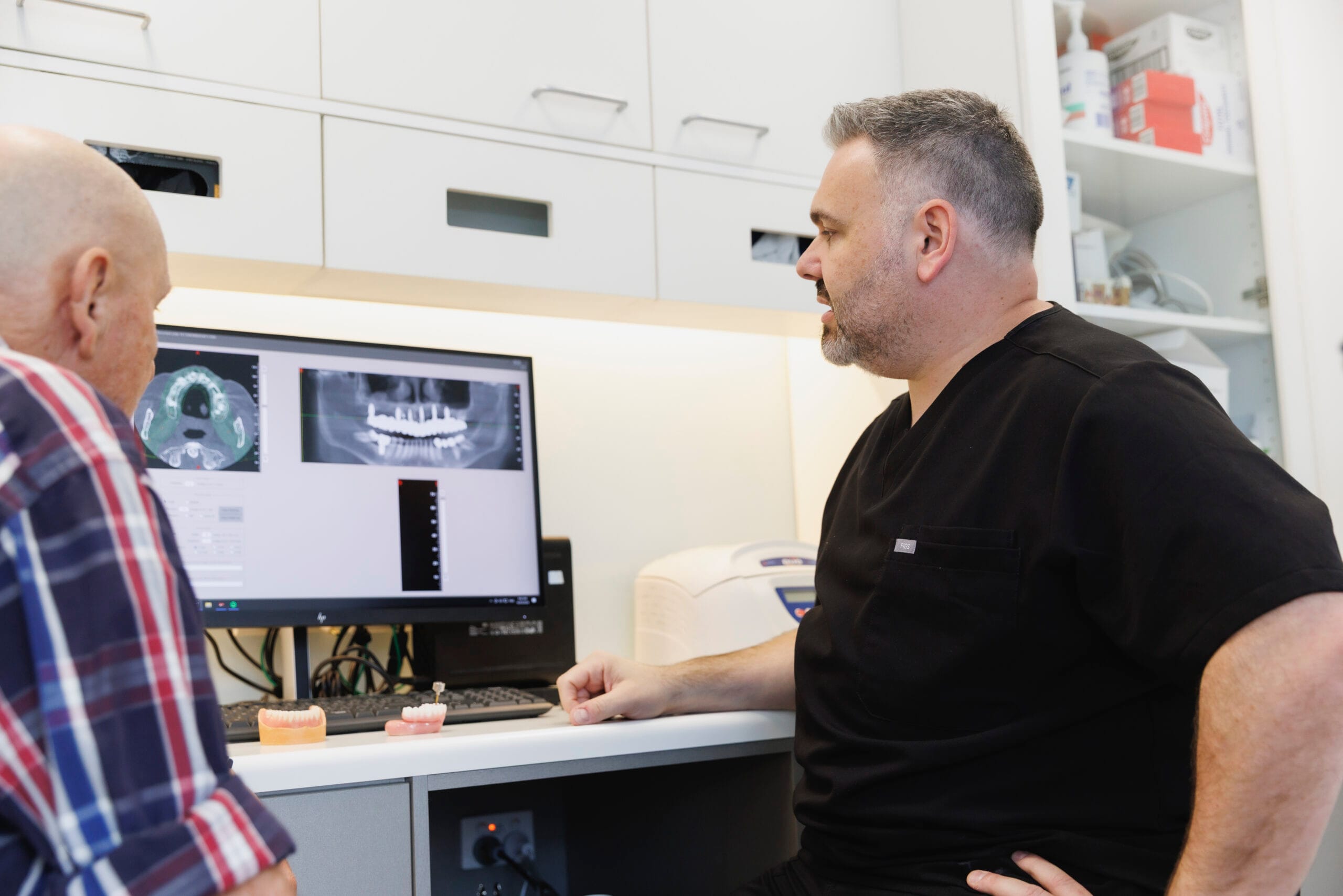
Dental Implants in Sydney CBD
Personalised options for replacing one, several or all missing teeth
Dental implants are an option for replacing missing teeth and may support function and appearance when clinically appropriate. Located in Martin Place, Sydney Dental Aesthetics & Implants provides implant assessment, treatment planning, implant placement and restorative care in one practice.
Dr Dean Licenblat has more than 20 years of experience in implant dentistry and provides titanium, zirconia and full-arch implant treatment. Every patient receives an individual assessment to determine which options may be appropriate for their oral health, preferences and treatment needs.
Enquire About a Dental Implant Consultation
Complete the form or call our Sydney Practice on 02 9233 3301 and our team will contact you to discuss an appointment and answer any initial questions.
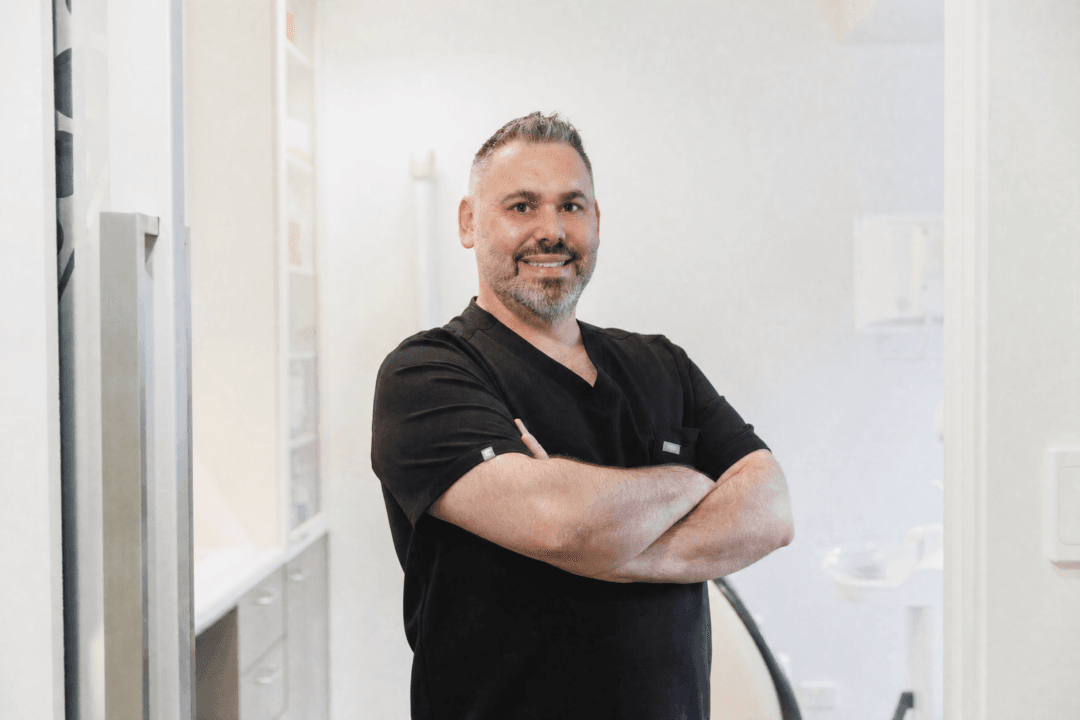
Dr Dean Licenblat
Dr Dean Licenblat provides implant-related care at his practice in Sydney’s Martin Place and has completed a Master’s degree in Oral Implantology, including a thesis on Zirconia implants at Goethe University in Germany.
He was one of the first Australian Diplomates of the American Board of Oral Implantology (ABOI) and has placed thousands of dental implants over more than 20 years in clinical practice, including zirconia implants. He is involved in teaching programs for dental practitioners in Australia and internationally through lecturing, mentoring, and professional education programs.
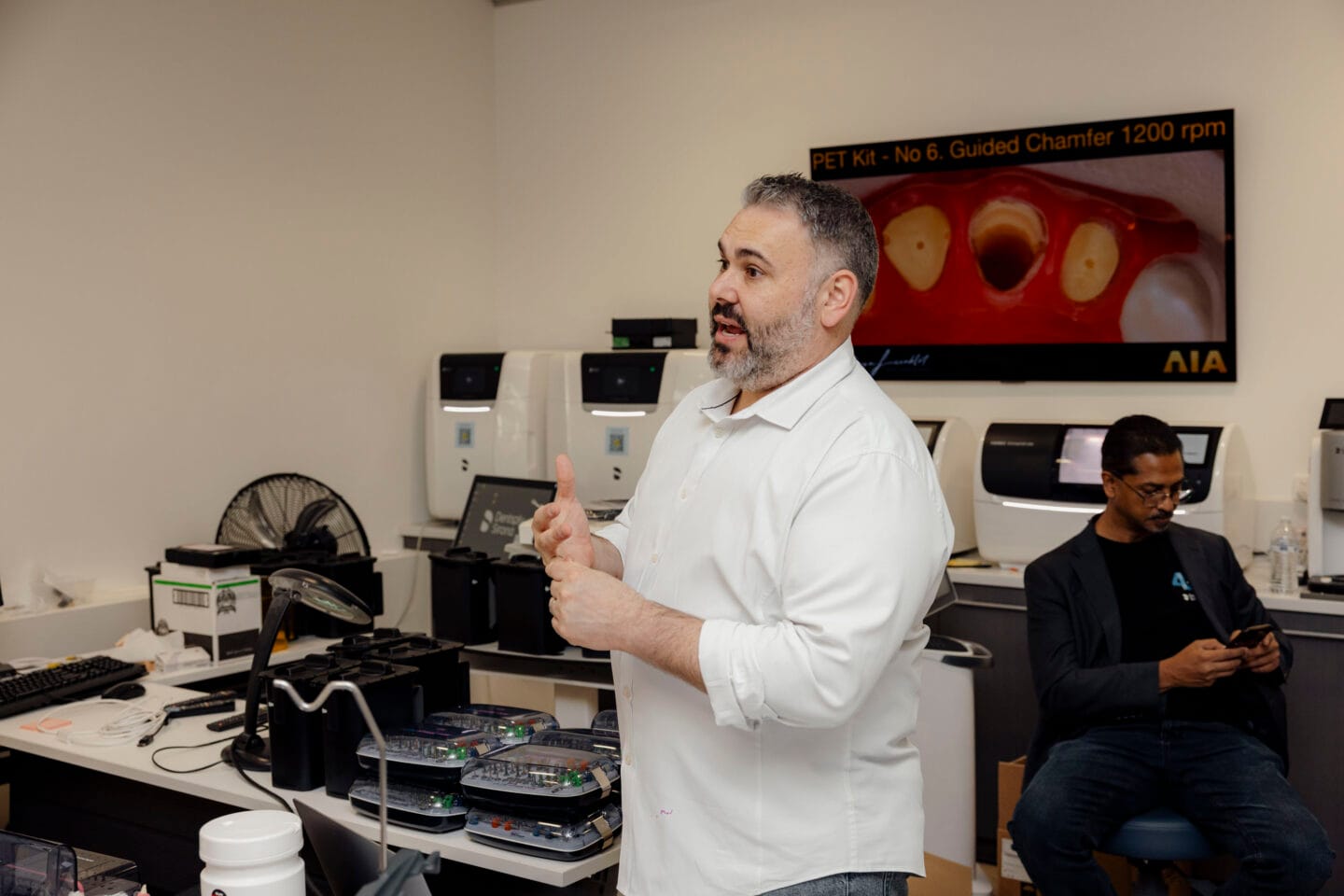
Dr Licenblat is also the Head Lecturer for the Australasian Implant Academy (AIA) and is a Founder of the establishment of the Australian chapter of the California Implant Institute.
Dental Implant options available at Sydney Dental Aesthetics and Implants
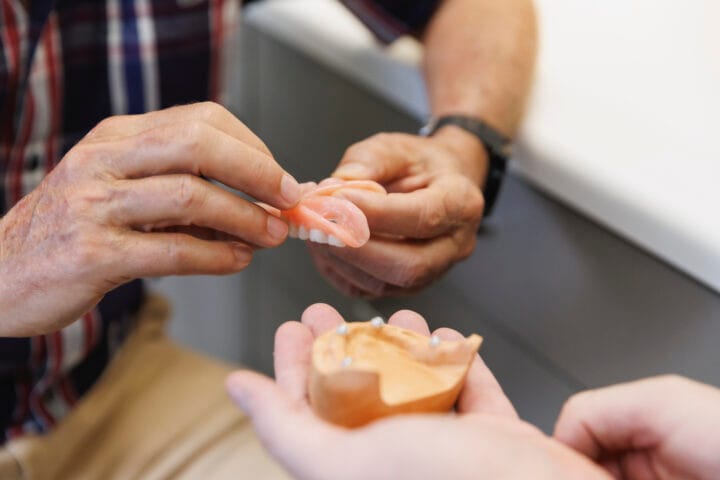
All on 4
The All-on-4 dental implant system is a dental technique that can offer a solution to multiple missing teeth. The treatment involves supporting a full arch of teeth on four implants.
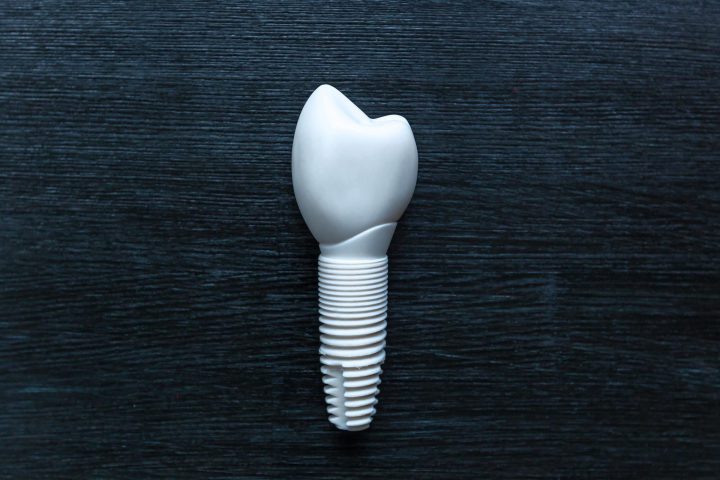
Metal free zirconia implants
Zirconia implants or metal free dental implants are an alternative option for replacing missing teeth for patients who prefer a non-metal approach. This type of implant may be considered during treatment planning depending on individual clinical needs.

Titanium Dental implants
Titanium dental implants are a tooth replacement option for one or multiple missing teeth. Depending on individual clinical needs, implants may help support oral function and appearance as part of a broader treatment plan.
Complex Planning and Bone Grafting
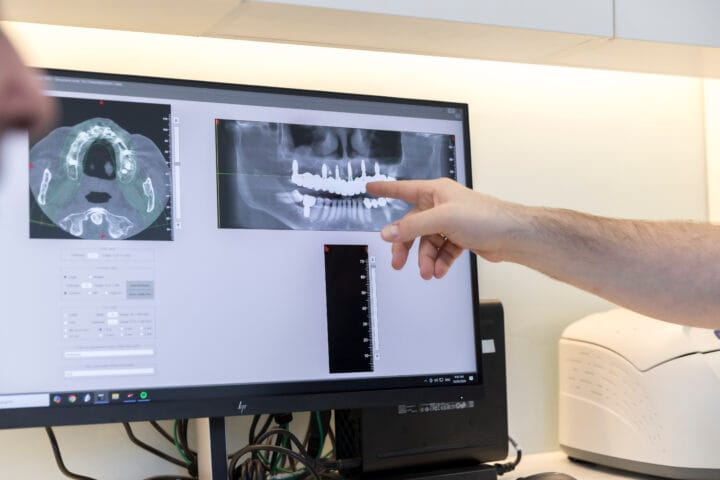
Additional planning or procedures may be required where there is bone loss, previous implant treatment or other clinical complexity.
Your Dental Implant Questions, Answered
What are Dental Implants?
Who is suitable for Dental Implants?
Why would someone need Dental Implants?
Should I choose a Dental Implant or Bridge?
More Frequently Asked Implant Questions
Dental implants are components placed in the jawbone to support replacement teeth. Depending on the clinical situation, they may be used to replace one missing tooth, several teeth or support a full arch restoration. At Sydney Dental Aesthetics & Implants in Martin Place, implant treatment is planned around oral health, available bone, the proposed restoration and the individual patient’s needs. Dr Dean Licenblat provides both titanium and zirconia implant options where clinically appropriate.
Dental implant patients at SDAI are assessed within Dr Dean Licenblat’s implant focused clinical practice in Sydney CBD. Dr Licenblat has more than 20 years of experience in implant dentistry, has placed thousands of dental implants and has completed postgraduate study in Oral Implantology at Goethe University in Frankfurt. He is also involved in teaching and mentoring other dentists in implant dentistry. These experience details provide context for patients, while every treatment recommendation is still based on individual assessment.
When comparing dentists for implant treatment, useful factors can include relevant postgraduate training, experience with the type of case being assessed, diagnostic planning, restorative knowledge, ability to manage complications, communication about risks and alternatives, and arrangements for ongoing care. At SDAI, Dr Dean Licenblat has more than 20 years of implant dentistry experience, a Master’s degree in Oral Implantology and ongoing involvement in teaching implant dentistry to other dental practitioners. SDAI also receives referrals from dentists for implant assessment and more complex cases.
Suitability depends on factors such as gum health, bone volume, medical history, medications, smoking or vaping, bite, the condition of surrounding teeth and the type of restoration required. At SDAI, assessment may include clinical examination and diagnostic imaging such as CBCT where indicated. Patients with straightforward needs and those with more complex circumstances can be assessed, including people who have previously been told that available bone may be limited.
A dental implant consultation is used to understand the reason for tooth loss or failure, review medical and dental history, assess the teeth and gums, and evaluate available bone and restorative requirements. Diagnostic imaging may be recommended where clinically indicated. Dr Dean Licenblat can then discuss implant and non implant options, the expected stages of treatment, material choices where relevant, risks, alternatives, likely maintenance requirements and an individual treatment sequence.
Some patients with reduced bone volume may still be able to consider implant treatment. At SDAI, the amount and location of available bone are assessed together with the proposed tooth replacement and nearby anatomical structures. Depending on the findings, planning may involve bone grafting, sinus augmentation, staged treatment or another implant approach. SDAI also receives referrals from other dentists for implant cases involving bone loss and additional surgical planning.
An implant case may require additional planning when there is significant bone or soft tissue loss, multiple missing teeth, full arch treatment, previous implant complications, difficult anatomy, grafting requirements or complex restorative needs. SDAI assesses these factors as part of the complete treatment plan rather than considering implant placement in isolation. Where appropriate, treatment may be coordinated with a referring dentist or another healthcare practitioner.
Dentists may refer a patient when they would like additional implant assessment, surgical treatment or input into a case outside their preferred scope. SDAI’s referral pathway includes dental implants, full arch reconstruction, bone grafting, sinus grafting, implant complications, implant removal, site development and All on 4 treatment. Dr Dean Licenblat also teaches implant dentistry to other dental practitioners. The referring dentist can remain involved in ongoing care and the scope of treatment can be coordinated between practitioners.
Yes. Depending on the individual situation, dental implants may support a single crown, an implant supported bridge or a full arch restoration. SDAI assesses the number and position of missing teeth, available bone, bite, oral health and restorative goals before recommending an approach. Full arch options, including All on 4 concepts, are considered only where appropriate for the individual patient.
Yes. SDAI provides titanium implants and zirconia ceramic implants where clinically appropriate. Dr Dean Licenblat’s postgraduate study in Oral Implantology included work involving zirconia implants, and zirconia treatment forms part of his clinical practice. Material selection is based on the clinical situation, restorative requirements, available evidence and patient preferences rather than assuming one material is appropriate for everyone.
Treatment time varies according to the number and position of implants, healing, bone and soft tissue requirements, the type of restoration and whether additional procedures such as bone grafting are required. Some treatment can be completed in fewer stages, while grafted or more complex cases may require a longer sequence. SDAI provides an individual treatment plan after assessment so the expected stages and timing can be discussed before treatment begins.
A previous implant problem requires assessment to identify what may be contributing to the issue and to review the surrounding bone, gum tissue, restoration and bite. Depending on the findings, options may include monitoring, treatment of the surrounding tissues, restorative changes, implant removal, site development or consideration of another implant. SDAI accepts dentist referrals for implant complications and implant removal as well as new implant planning.
Yes. Dental implants and implant supported restorations require regular home care and professional review. Maintenance is tailored to the restoration, gum health and individual risk factors. SDAI discusses cleaning, review intervals and long term maintenance as part of implant treatment planning.
The cost of implant treatment varies because the treatment plan can involve different numbers of implants, restorative designs, imaging, materials and additional procedures such as grafting. SDAI provides an individual treatment plan and associated fees after assessment so patients can understand what is proposed and what alternatives may be available. A headline price alone may not reflect the complete treatment required for an individual case.
Any surgical or invasive procedure carries risks. Before proceeding, you should seek a second opinion from an appropriately qualified health practitioner.
Types of Dental Implants

3 Unit Tooth-supported Bridge
The two teeth immediately adjacent to the gap, the ‘abutments’ are prepared to receive fused crowns which support the missing tooth or ‘pontic’. This product is called a Bridge or Fixed Partial Denture (FPD).

Screw-retained Implant Supported Crown
In this situation the missing tooth is replaced with an osseointegrated implant which supports the new tooth or ‘crown’. Here the crown is screw retained, meaning the crown is screwed directly to the implant.

Cement-retained Implant Supported Crown
The missing tooth is replaced with an osseointegrated implant which supports the new tooth or ‘crown’. In this situation, the crown is retained by cement, meaning the crown is bonded or ‘cemented’ to an abutment. The abutment is directly fixed to the implant but acts as a middleman. This procedure allows for fixture in situations of difficult access or orientation.
Would you like more information?
If you would like further information please send us a message and we will provide the information that you need.