When you have been told there may not be enough bone for a dental implant
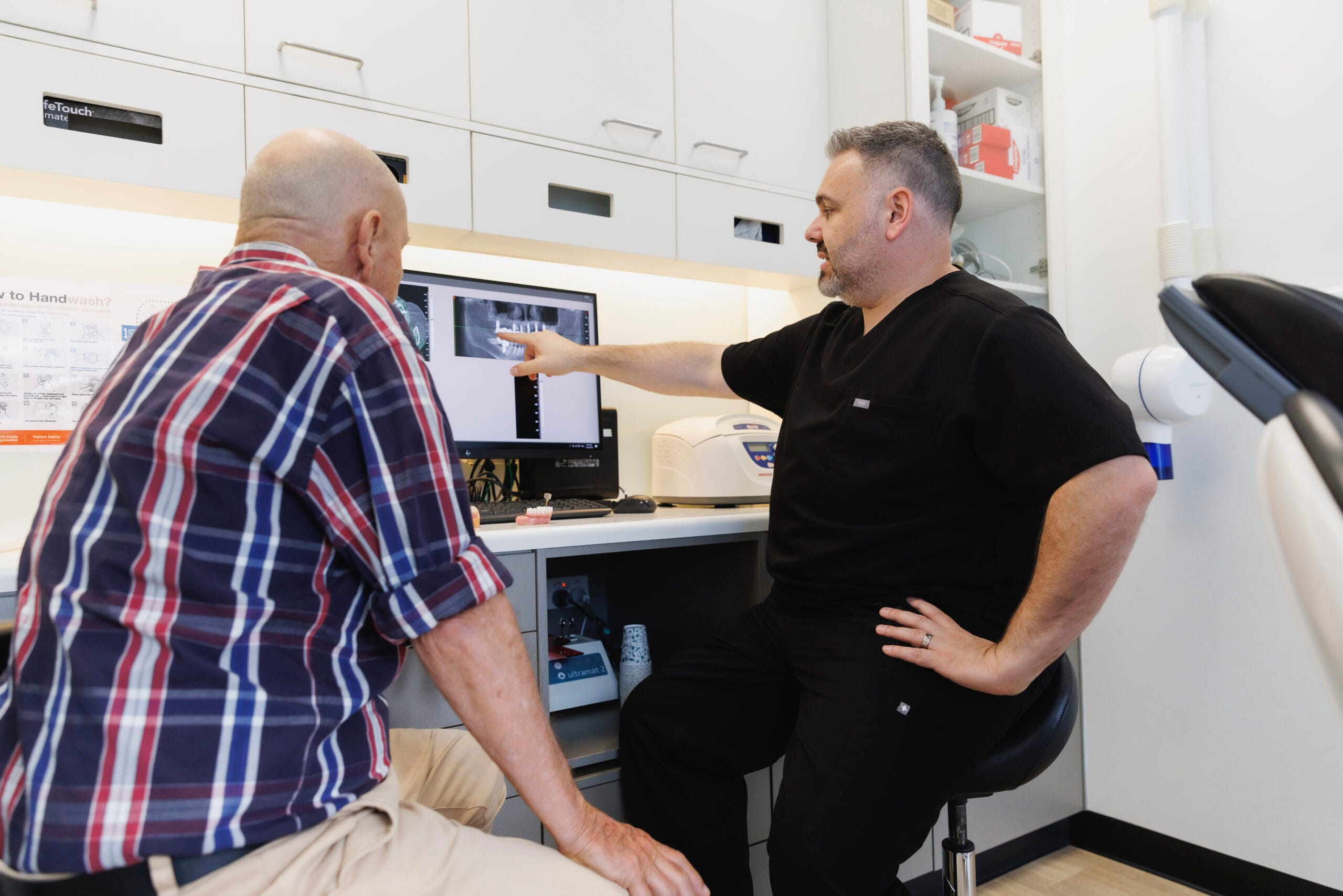
Being told that you have limited jawbone does not necessarily mean dental implant treatment is ruled out. The amount, quality and location of available bone need to be considered together with the planned tooth replacement, your oral health and your wider medical history.
At Sydney Dental Aesthetics & Implants in Martin Place, Dr Dean Licenblat assesses patients with bone loss as part of his implant focused clinical practice. Depending on the findings, treatment planning may involve bone grafting, sinus augmentation, socket or ridge preservation, staged implant placement, a different implant position or another restorative option. Not every patient with bone loss requires grafting.
Dr Licenblat also receives referrals from other dental practitioners for implant assessment and treatment planning, including cases involving reduced bone volume, previous implant complications, full arch reconstruction and other clinical complexity.
What is bone grafting for dental implants?
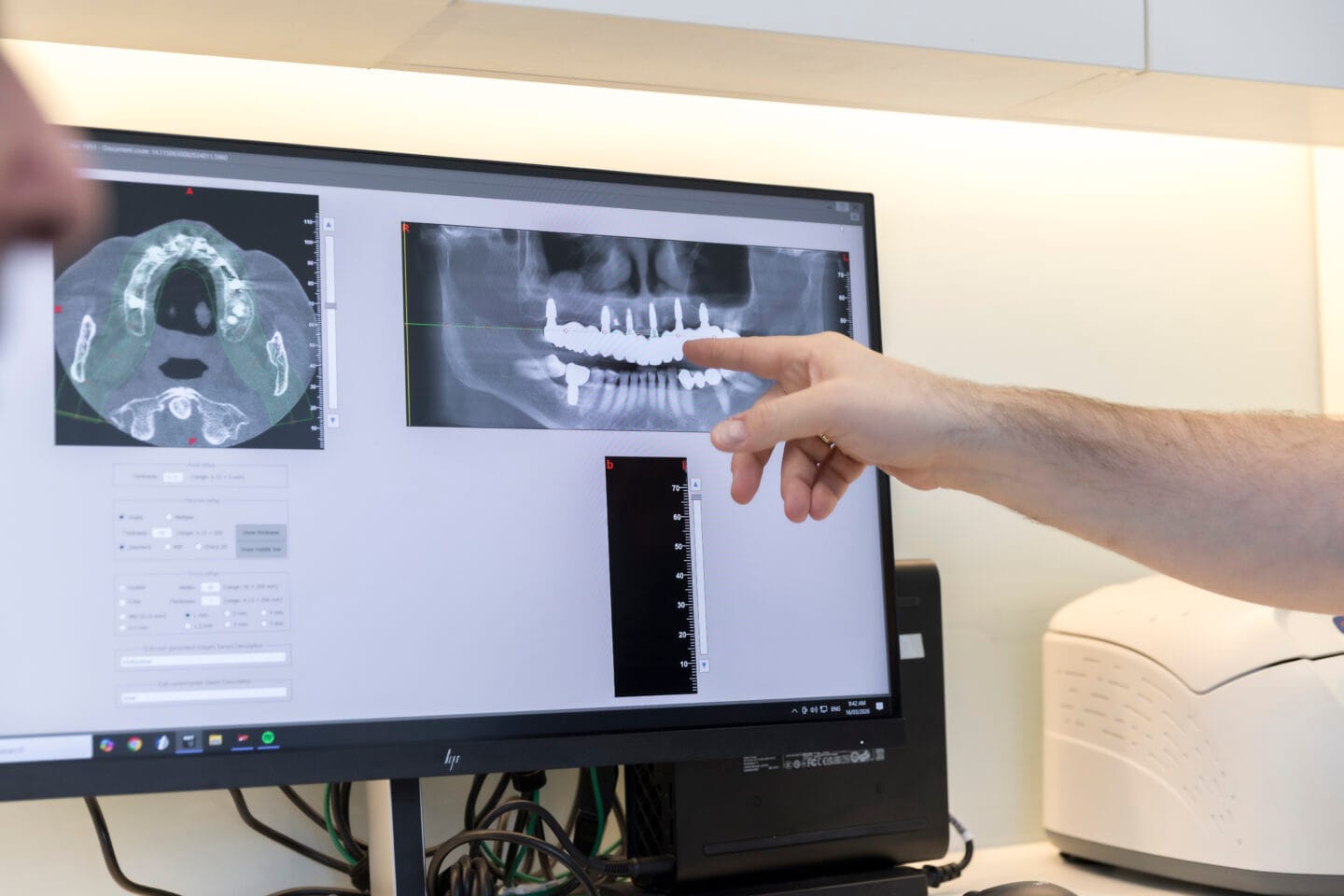
Bone grafting is a surgical procedure used to preserve or increase bone volume in an area where a dental implant may be planned. Bone can reduce after tooth loss, infection, gum disease, trauma, long term tooth absence or previous dental treatment. The purpose of grafting is to create or maintain suitable bone volume where this is clinically required for the proposed implant and restoration.
The need for grafting is determined from the individual treatment plan. In some cases, a graft can be performed at the same time as implant placement. In others, the graft needs a separate healing period before implant treatment can proceed.
Why can bone be lost after a tooth is removed?
Jawbone changes naturally after a tooth is lost because the bone is no longer receiving the same stimulation from the tooth root. The amount of change varies between people and sites. Infection, periodontal disease, trauma, the length of time a tooth has been missing and previous treatment can also influence the available bone.
For patients considering a future implant, early assessment can help determine whether socket preservation or another approach should be discussed at the time of extraction. This does not mean grafting is necessary for every extraction or that future grafting can always be avoided.
Types of bone grafting that may form part of implant treatment
The type of grafting proposed depends on the location and pattern of bone loss, nearby anatomical structures and the final restorative plan. Procedures that may be considered include:
- Socket preservation after tooth removal, where clinically appropriate, to help preserve bone volume at a future implant site.
- Ridge or site development where the jawbone is too narrow or has an irregular contour for the proposed implant position.
- Onlay bone grafting to add bone volume to a deficient area in selected cases.
- Sinus grafting or sinus augmentation in the back of the upper jaw where bone height beneath the maxillary sinus is limited.
- Bone grafting at the time of implant placement when there is sufficient existing bone for implant stability but additional augmentation is required.
- Staged bone grafting before implant placement where the site requires a healing period before an implant can be considered.
Dr Dean Licenblat will explain which approach, if any, is being proposed and why it relates to the planned final restoration.
What materials are used for dental bone grafting?
Different grafting materials may be used depending on the procedure and clinical circumstances. These can include the patient’s own bone, processed human donor material, animal derived graft material, synthetic materials or combinations of materials. Membranes or other materials may also be used to protect and support the grafted area.
The most appropriate material depends on the size and location of the defect, the planned implant treatment, the patient’s medical and dental history and the clinician’s treatment plan. The proposed material, its source, alternatives and relevant risks should be discussed before treatment.
How SDAI assesses bone loss and plans implant treatment
Bone grafting should not be planned in isolation from the final tooth replacement. At SDAI, assessment starts with the proposed restorative outcome and works backwards to determine the implant position and whether additional bone is required.
Assessment may include a clinical examination, review of medical and dental history, periodontal and soft tissue assessment and three dimensional CBCT imaging where clinically indicated. Imaging can help assess bone height and width, the position of nearby teeth, nerves and the maxillary sinus, and the relationship between the available bone and proposed implant position.
A clear treatment pathway
1. Assessment and diagnosis
Review the teeth, gums, bone, medical history, previous treatment and the intended restoration.
2. Treatment planning
Discuss whether grafting is required, the type of graft, alternatives, timing, risks and expected healing period.
3. Bone grafting procedure
Grafting may be performed separately or at the same time as implant placement depending on the clinical situation.
4. Healing and Review
The grafted area is monitored during healing. The required healing period varies between procedures and patients.
5. Implant placement or restoration
Implant treatment proceeds when the site is considered appropriate for the planned next stage.
Complex implant cases and referrals from other dentists
Some implant cases require additional planning because of significant bone loss, previous implant treatment, implant complications, multiple missing teeth, full arch rehabilitation or the relationship of the proposed implant to nearby anatomical structures.
SDAI accepts referrals from dental practitioners for implant related assessment and procedures including bone grafting, sinus grafting, ridge and site development, extraction and socket preservation, implant removal, management of implant complications and full arch reconstruction. The referring practitioner can specify the treatment requested and remain involved in the patient’s ongoing dental care.
Where appropriate, SDAI communicates with the referring dentist about the assessment and treatment pathway and returns the patient for ongoing general dental care. Dentists are also able to discuss potential referrals with the practice.
Dr Dean Licenblat and implant dentistry
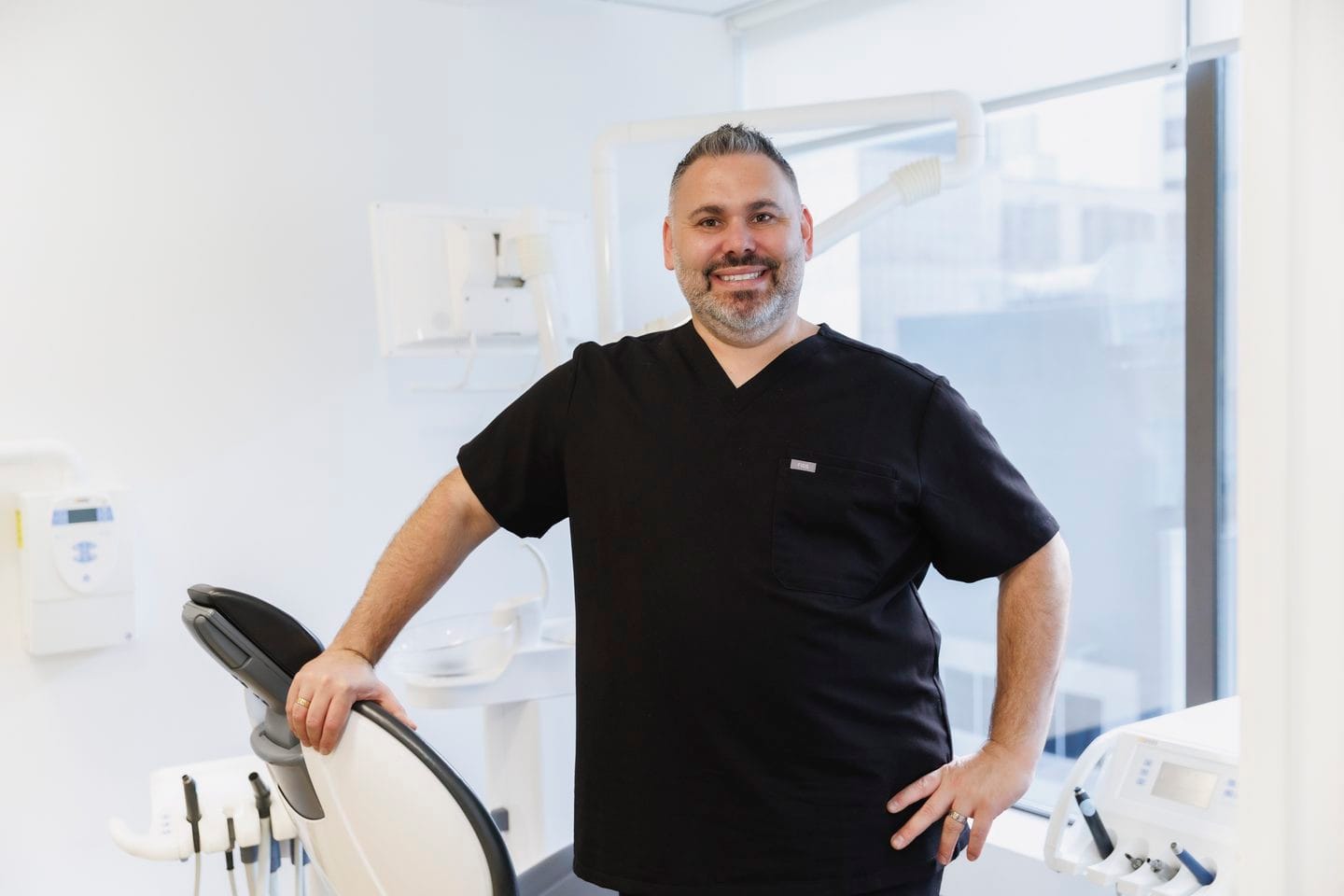
Dr Dean Licenblat has focused on implant dentistry for more than 20 years and has placed thousands of dental implants in clinical practice. He completed a Master’s degree in Oral Implantology through Goethe University in Frankfurt, with postgraduate education that includes bone grafting and advanced implant treatment planning.
Alongside his clinical work at SDAI, Dr Licenblat teaches and mentors dental practitioners in implant dentistry and is Head Lecturer of the Australasian Implant Academy. Other dentists refer patients to SDAI for implant assessment and treatment, including cases that may require grafting or additional surgical planning.
These qualifications, experience and teaching roles provide context when patients and referring dentists are choosing an implant practitioner. They do not guarantee a particular treatment outcome, and every case requires individual assessment.
Sedation and patient comfort
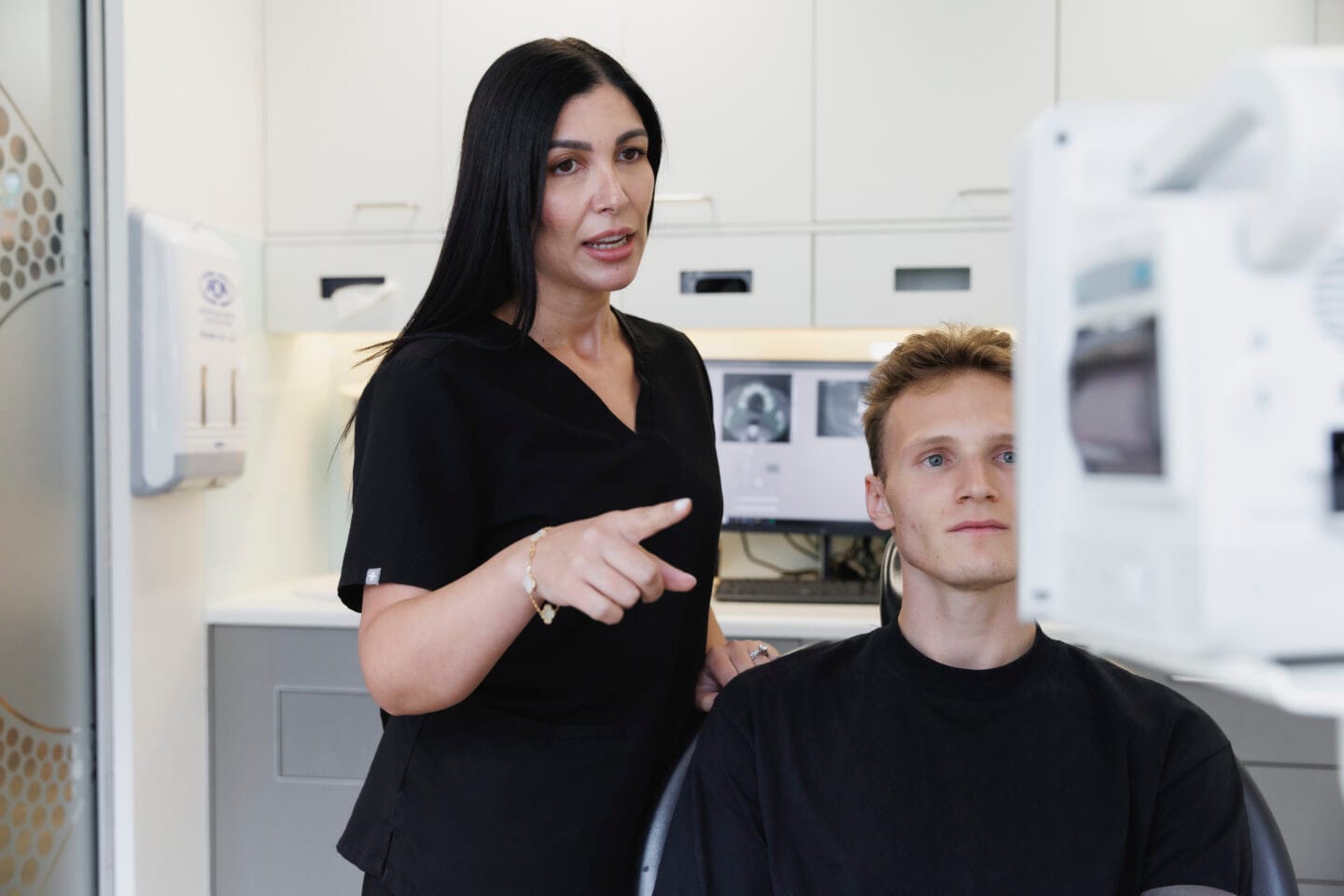
Bone grafting and implant procedures are performed with appropriate anaesthesia. For patients who are anxious about treatment, SDAI also provides in chair IV sedation for patients assessed as suitable. This service is provided by Dr Melissa Licenblat, who has postgraduate training in Conscious Sedation and Pain Control. The appropriate anaesthetic or sedation approach depends on the planned procedure and the individual patient.
Healing after bone grafting
Healing varies according to the grafting procedure, graft size and location, general health, oral hygiene, smoking or vaping, medications and other individual factors. Swelling, bruising, discomfort and temporary dietary changes can occur after surgery. Some grafts heal for several months before implant placement, while smaller grafts may be performed at the same time as implant surgery in selected cases.
Smoking and vaping can adversely affect oral wound healing and should be discussed as part of treatment planning. Patients receive individual postoperative instructions and review appointments based on the procedure performed.
Risks, limitations and alternatives
Bone grafting and dental implant treatment are surgical procedures and carry risks. These may include pain, swelling, bruising, bleeding, infection, delayed healing, graft exposure or loss, changes to nearby tissues, damage to nearby structures, altered sensation, sinus related complications in relevant procedures and the possibility that additional treatment may be required.
A bone graft does not guarantee that an implant can subsequently be placed or that an implant will have a particular outcome. Alternatives may include a different implant position or design, a bridge, removable prosthesis, retaining existing teeth where appropriate or no treatment. The relevant risks, likely benefits, alternatives and expected treatment sequence are discussed before treatment proceeds.
Bone Grafting FAQs
Can I have dental implants if I have been told I do not have enough bone?
Possibly. Reduced bone volume does not automatically rule out dental implant treatment. At SDAI, Dr Dean Licenblat assesses the amount and location of available bone together with the planned restoration and other clinical factors. Depending on the findings, options may include bone grafting, sinus augmentation, staged implant placement, an alternative implant position or another restorative approach.
Why might my dentist refer me to Dr Dean Licenblat for bone grafting or a complex implant case?
Dentists may refer when additional implant assessment, surgical treatment or treatment planning is requested. Dr Dean Licenblat has more than 20 years of implant dentistry experience, postgraduate training in Oral Implantology and bone grafting, and teaches implant dentistry to other dental practitioners. SDAI’s referral pathway includes bone grafting, sinus grafting, site development, implant complications, implant removal and full arch reconstruction.
Does everyone with bone loss need a bone graft before dental implants?
No. The need for grafting depends on where and how much bone is missing, the proposed implant position, the final restoration and individual clinical factors. Some patients may have sufficient bone for another implant approach, while others may require augmentation. Assessment is required before a recommendation can be made.
Can a dental implant be placed at the same time as a bone graft?
In some cases, yes. Simultaneous grafting and implant placement may be considered where there is enough existing bone to achieve appropriate implant stability and the grafting requirement can be managed at the same procedure. In other cases, grafting needs to heal before implant placement. The decision is based on the individual site and treatment plan.
What is a sinus lift or sinus graft?
A sinus lift, also called sinus augmentation, is a grafting procedure that may be considered in the back of the upper jaw when there is limited bone height beneath the maxillary sinus. CBCT imaging may be used where clinically indicated to assess the sinus, available bone and proposed implant position before treatment is recommended.
What is socket preservation after a tooth extraction?
Socket preservation is a grafting procedure that may be considered after tooth removal to help preserve bone volume at a site where future implant treatment is being considered. It is not required after every extraction and does not guarantee that further grafting will not be needed later.
What is dental bone graft material made from?
Depending on the clinical situation, grafting materials may include the patient’s own bone, processed human donor material, animal derived material, synthetic substitutes or combinations of materials. SDAI will explain the proposed material, its source and relevant alternatives before treatment.
How long does a dental bone graft take to heal?
Healing time varies according to the procedure, graft size and site and individual health factors. Some grafts require several months of healing before an implant can be considered, while selected smaller grafts may be completed at the same time as implant placement. An individual timeline is provided after assessment.