At Sydney Dental Aesthetics & Implants, patients considering tooth replacement are often deciding between dental implants and dentures. Each option offers different benefits depending on your clinical needs, oral health, and lifestyle.
SDAI’s implant treatments are led by experienced clinicians, including Dr Dean Licenblat, who has extensive experience in dental implantology and advanced restorative procedures. Dr Licenblat’s approach focuses on careful planning, precision, and long-term outcomes, ensuring each treatment is tailored to the individual patient. His experience includes managing complex cases, including those requiring bone grafting or full-arch rehabilitation, providing patients with confidence in both function and aesthetics.
What Are Dental Implants?
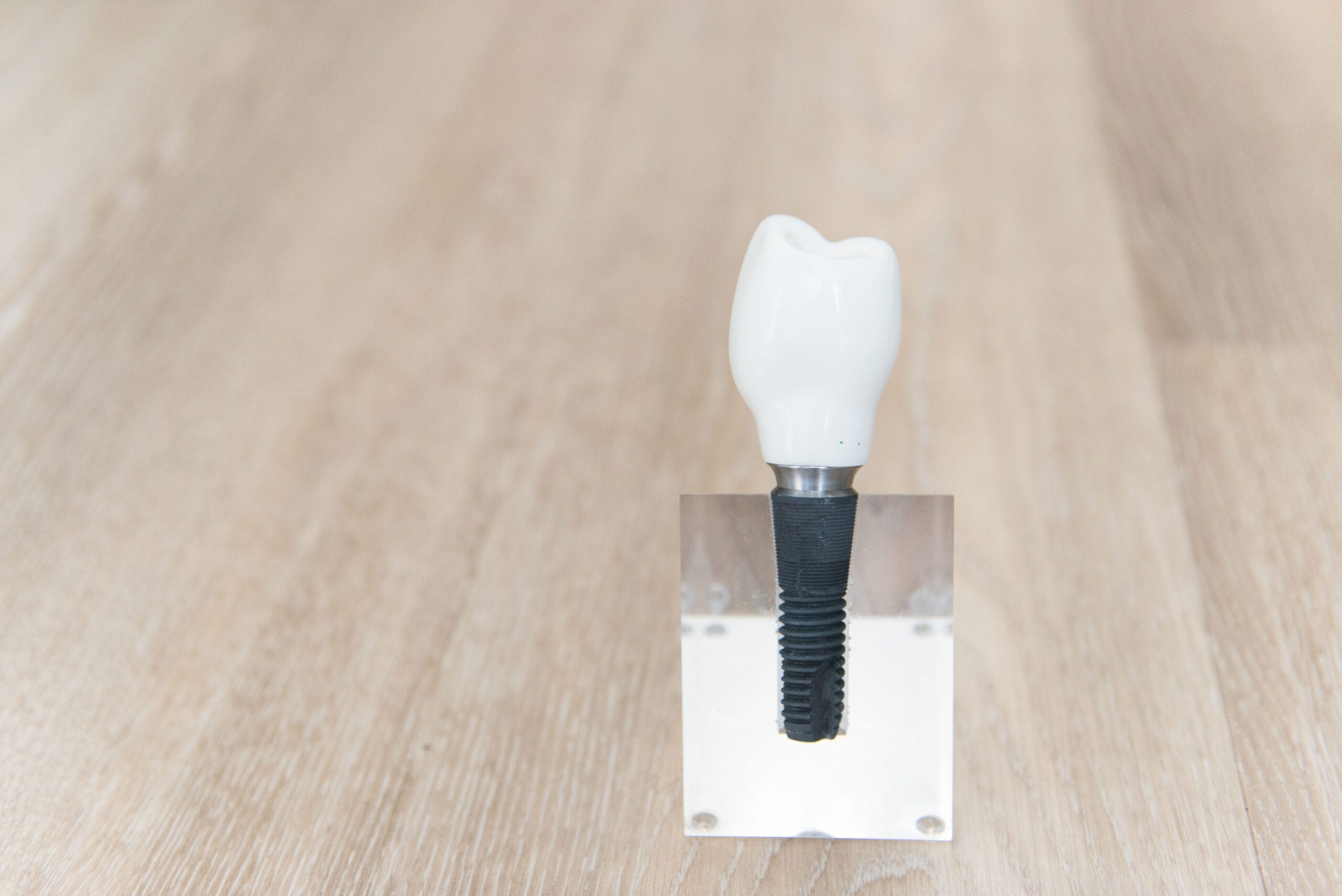
Dental implants are designed to replace the root of a missing tooth by being placed into the jawbone. Once healed, they support a crown, bridge, or denture, depending on the number of teeth being replaced. Because implants are anchored in the bone, they function in a way that is often similar to natural teeth.
This fixed nature means implants do not rely on neighbouring teeth for support. As a result, they can provide a stable and secure option for chewing and speaking, while also helping to maintain overall oral structure.
What Are Dentures?
Dentures are removable appliances used to replace multiple or all missing teeth. They rest on the gums and are typically made from acrylic or a combination of materials. Dentures may be full (replacing all teeth in an arch) or partial (replacing some missing teeth while using remaining teeth for support).
They are designed to restore both function and appearance, but because they are not fixed in place, they may require an adjustment period as patients become accustomed to wearing them.
Stability and Function
One of the key differences between implants and dentures is stability. Dental implants are integrated with the jawbone, which allows them to remain fixed and stable during everyday activities like eating and speaking.
Dentures, while custom-made for each patient, may shift slightly, particularly in the lower jaw or as the shape of the gums changes over time. While many patients adapt well, others may notice movement or reduced confidence in certain situations.
Impact on Bone Health
Dental implants can help maintain bone density by providing stimulation similar to natural tooth roots. This stimulation plays a role in preserving the structure of the jaw over time.
Dentures do not provide this same level of stimulation. As a result, gradual bone loss may occur in areas where teeth are missing, which can affect the fit of dentures and may require ongoing adjustments.
Maintenance and Daily Care
Implants are cared for in a similar way to natural teeth, with regular brushing, flossing, and professional dental check-ups. Maintaining good oral hygiene remains essential to support long-term health.
Dentures require a different routine. They need to be removed daily for cleaning and properly stored when not in use. The gums and any remaining teeth also need to be cleaned regularly to maintain overall oral health.
Treatment Timeline and Long-Term Considerations
The process and long-term factors for dental implants and dentures can differ significantly, both in terms of time commitment and ongoing maintenance. Understanding these differences can help set realistic expectations when deciding between the two options.
Dental Implants:
- Involve a surgical placement procedure
- Require a healing period before the final restoration is placed
- Treatment may take several months depending on individual factors
- May include additional procedures such as bone grafting
- Higher initial investment due to surgical and restorative components
- Designed as a long-term solution when properly maintained
Dentures:
- Can often be made and fitted over a shorter timeframe
- May require adjustments to improve comfort and fit as the mouth adapts
- Lower upfront cost compared to implants
- May require periodic relining, adjustments, or replacement over time
- Fit can change as the gums and jaw naturally shift
Choosing the Right Option
At SDAI, treatment decisions are not standardised, they are carefully tailored following a comprehensive clinical assessment. Under the guidance of clinicians like Dr Licenblat, your treatment plan considers:
- Bone availability and quality
- Overall oral health status
- Functional needs (chewing, speech)
- Aesthetic goals
- Lifestyle and long-term expectations
In some cases, a combined approach, such as implant-supported dentures—may be recommended to improve stability while balancing cost and treatment time.
Patients are guided through each step of the process, with clear explanations of benefits, limitations, and expected outcomes to support informed decision-making.
Choosing the right tooth replacement option starts with the right advice. Contact the caring and experienced team at SDAI today to determine whether implants or dentures are right for you.