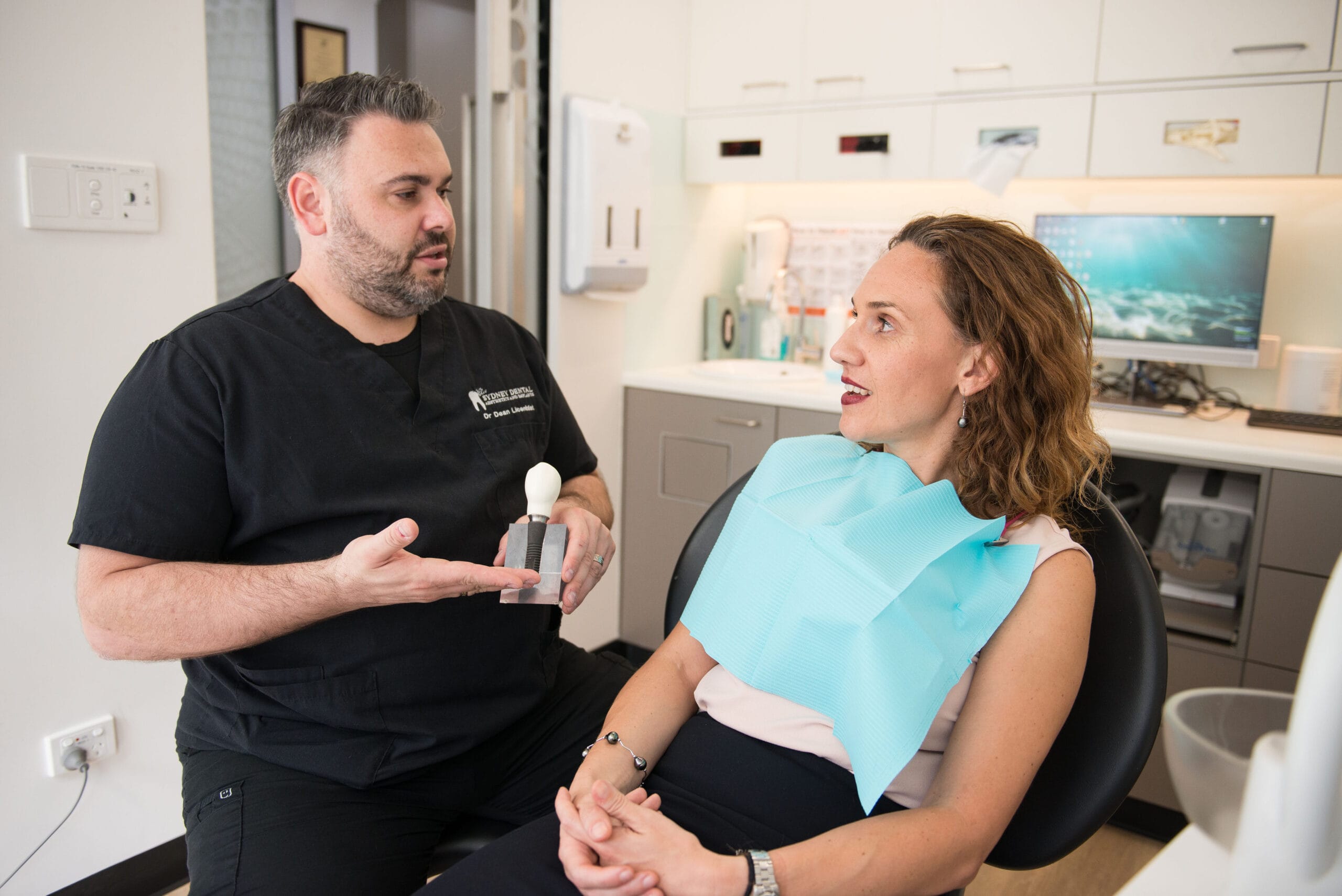
When exploring dental implants, one of the key factors that determines suitability is the amount and quality of bone in the jaw. In some cases, there may not be enough bone to securely support an implant. This is where bone grafting may be considered as part of the overall treatment plan.
Bone grafting is a procedure used to restore or build up bone in areas where it has been lost or is insufficient. It is commonly recommended in implant dentistry to help create a stable foundation for long-term implant support. Understanding how bone grafting works and when it may be needed can help you feel more informed and confident when exploring your treatment options.
About Dr Dean Licenblat
Dr Dean Licenblat is highly experienced in advanced implant procedures, including bone grafting. His clinical approach focuses on precision, long-term outcomes, and patient-centred care. He has undertaken extensive training in implant dentistry and regularly manages complex cases requiring bone augmentation.
What Is Bone Grafting?
Bone grafting involves placing additional material into the jaw to encourage new bone growth. This material acts as a scaffold, allowing your body’s natural healing processes to gradually replace it with your own bone over time.
The grafting material used can vary. It may come from your own body, a donor source, or a synthetic material designed to support bone regeneration. The choice of material depends on the specific clinical situation and is determined during treatment planning.
Over time, the graft integrates with the existing bone, helping to increase both the volume and density of the area. This process creates a more suitable foundation for placing a dental implant.
Why Bone Grafting May Be Needed
Bone loss in the jaw can occur for several reasons. One of the most common is tooth loss. When a tooth is no longer present, the surrounding bone no longer receives stimulation from everyday chewing forces, which can lead to gradual shrinkage over time.
Other factors such as gum disease, trauma, infection, or long-term missing teeth can also contribute to reduced bone volume. In some cases, patients may naturally have thinner or less dense bone in certain areas.
For dental implants to be successful, they need to be placed into bone that is strong enough to support them. If there isn’t sufficient bone available, grafting may be considered to improve the area and create a more suitable environment for implant placement.
What the Procedure Involves
Bone grafting involves placing a material into the area where additional bone is needed. This material acts as a framework, supporting the body’s natural ability to regenerate bone. Over time, the graft is gradually replaced by your own bone tissue, helping to strengthen and rebuild the area. The grafting material used can vary depending on the clinical situation. It may come from your own body, a donor source, or a synthetic material designed to support bone growth. The choice is determined during treatment planning and tailored to your specific needs.
In some cases, bone grafting can be performed at the same time as implant placement. In others, it is completed as a separate step, allowing time for healing before moving forward with the implant. Following the procedure, a healing period is required to allow the graft to integrate with your existing bone. This process can take several months and varies depending on the size of the graft and individual healing factors. During this time, the body works to stabilise the graft and gradually form new bone in the area.
What the Procedure Involves
At SDAI:
- Detailed imaging is used for planning
- Procedures are tailored to the individual
- Healing is closely monitored
- Implant placement is timed for optimal success
SDAI’s Clinical Approach
With experienced clinicians like Dr Licenblat, SDAI ensures:
- Evidence-based treatment planning
- Advanced diagnostic technology
- Focus on long-term implant stability
Understanding Bone Grafting for Dental Implants
Not everyone who is considering dental implants will require bone grafting. Some patients already have adequate bone volume, while others may benefit from additional support to improve outcomes.
A thorough assessment, including clinical examination and imaging—helps determine what is appropriate in each case. Based on these findings, your dentist can explain whether bone grafting is recommended and how it fits into your overall treatment plan.
Bone grafting is just one part of implant dentistry, but it can play a key role in creating a strong, stable foundation. With the right planning and guidance, it can support long-term function, comfort, and overall oral health.
Get in touch with the experienced and caring team at SDAI to find out if bone grafting is suitable for your implant treatment.