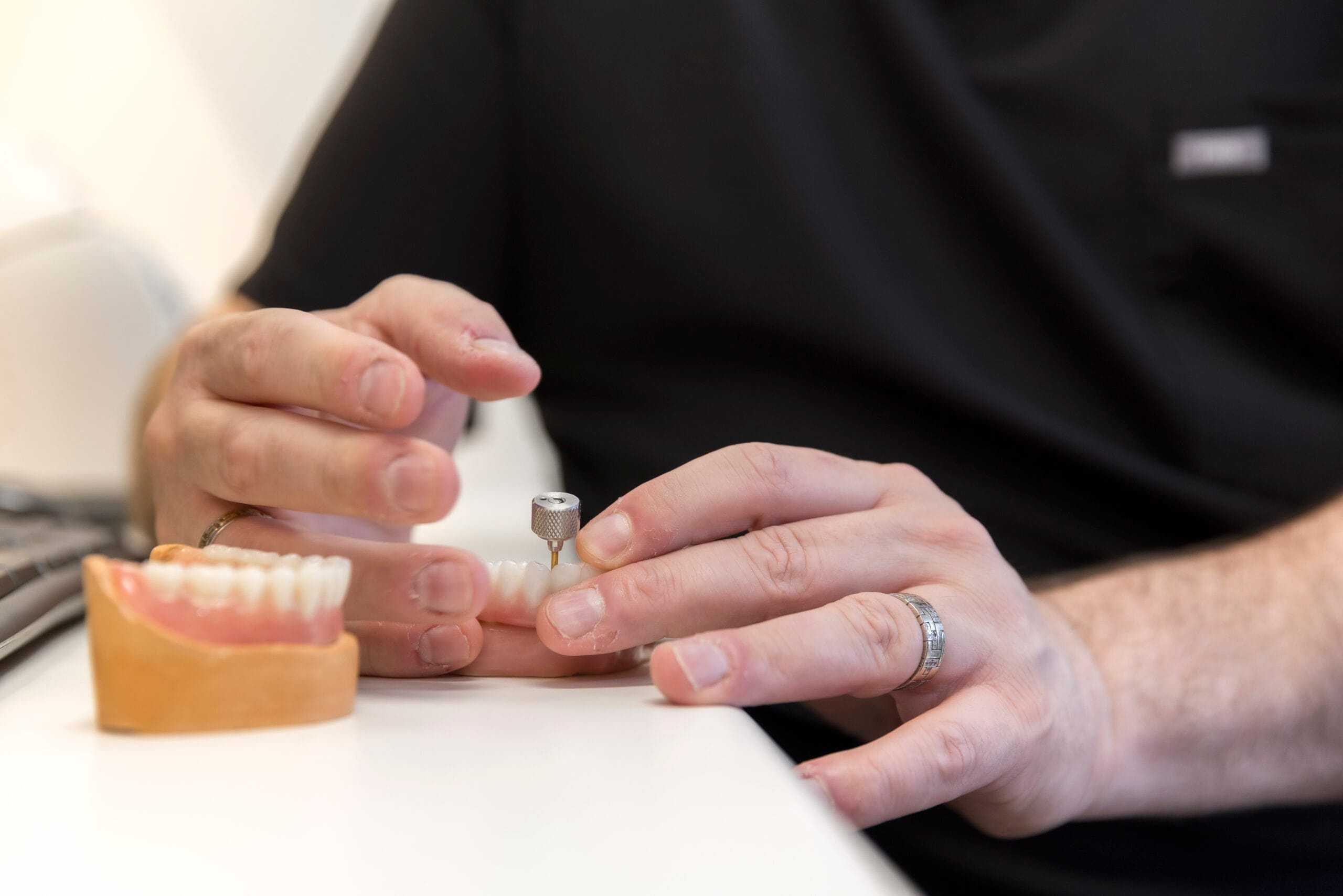
Some dental implant cases require more planning than a straightforward single tooth replacement. Bone loss, previous implant treatment, multiple missing or failing teeth, full arch rehabilitation, implant complications, aesthetic demands or the need for grafting can all add complexity to treatment planning.
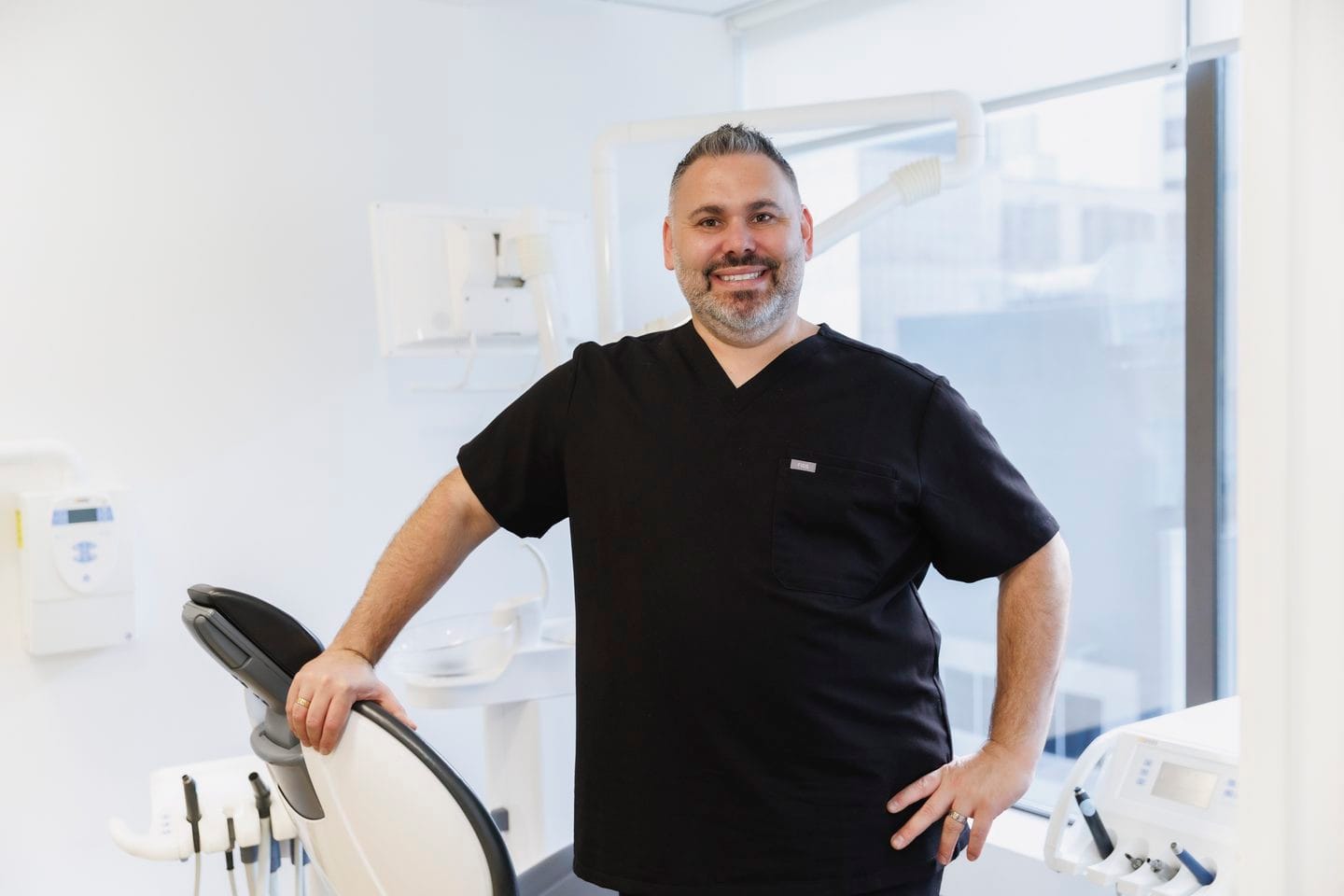
At Sydney Dental Aesthetics & Implants in Martin Place, Dr Dean Licenblat assesses patients with both routine and more complex implant needs. Dr Licenblat has more than 20 years of experience in implant dentistry, has placed thousands of dental implants and has completed postgraduate study in Oral Implantology. He also teaches and mentors other dental practitioners in implant dentistry, and SDAI receives referrals from dentists for implant assessment, surgical treatment and cases requiring additional planning.
Every case is assessed individually. A complex case does not automatically require a particular procedure, and not every patient is suitable for dental implant treatment. The purpose of the consultation is to understand the clinical situation, discuss realistic options and develop a treatment plan based on the patient’s needs and findings.
What Can Make a Dental Implant Case more Complex?
Complexity can arise for many different reasons. A case may require additional assessment or staged treatment when one or more of the following factors are present.
The presence of one or more of these factors does not determine the treatment by itself. Clinical examination, imaging and restorative planning are used to understand the whole case before recommendations are made.
- Reduced jawbone volume or significant bone loss
- A need for bone grafting, ridge development or sinus augmentation
- Previous dental implant failure, fracture, infection or other implant related complications
- Multiple missing or failing teeth
- Full arch or full mouth rehabilitation
- A need to remove an existing implant and reassess the site
- Previous extractions or long standing tooth loss that has changed the bone anatomy
- Aesthetic concerns in visible areas of the smile
- Existing restorations, bite issues or limited restorative space
- Medical, medication or oral health factors that may influence treatment planning
- A request for zirconia or metal free implant options where clinically appropriate
- A referral from another dentist for a surgical phase, treatment planning input or management of a case outside the referring practitioner’s preferred scope
Complex implant assessment at SDAI
Complex implant treatment begins with diagnosis and planning rather than choosing an implant procedure first. At SDAI, the assessment may include:
- A discussion of the patient’s concerns, goals and previous dental treatment
- Review of medical history, medications and relevant risk factors
- Examination of the teeth, gums, bite and existing restorations
- Assessment of missing tooth areas and soft tissue
- Three dimensional CBCT imaging where clinically indicated
- Assessment of available bone and nearby anatomical structures
- Review of existing implants and implant restorations where relevant
- Consideration of titanium and zirconia implant options where appropriate
- Planning of the final restoration before implant position is determined
- Discussion of staged versus simultaneous treatment where grafting is involved
- Discussion of sedation options for suitable patients
- Explanation of risks, alternatives, timing, maintenance and likely treatment stages
Where a patient has been referred by another dentist, existing records and imaging can be reviewed and the scope of treatment can be coordinated with the referring practitioner.
Full Arch and Multiple Implant Cases
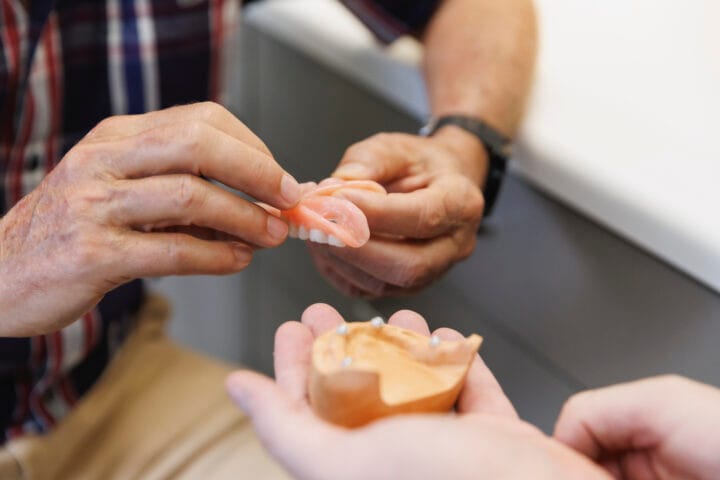
Patients with multiple missing or failing teeth may require a treatment plan that considers the whole arch rather than individual teeth in isolation. Depending on the clinical situation, options may include retaining suitable teeth, implant supported bridges, staged implant treatment, removable prostheses or a full arch implant approach such as All on 4.
At SDAI, full arch treatment is assessed as one possible pathway rather than a default recommendation. Bone availability, gum health, bite, medical history, restorative requirements, maintenance and patient preferences are considered before treatment options are discussed.
Zirconia and Metal Free Implants in Complex Treatment
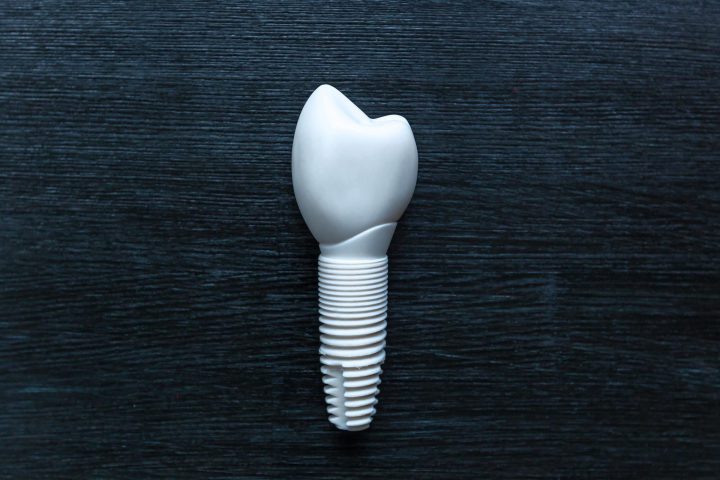
SDAI provides both titanium and zirconia implant options where clinically appropriate. Zirconia is a ceramic, metal free implant material that some patients ask about because of personal preference, material considerations or aesthetic factors. It is not automatically the preferred material for a complex case.
Dr Dean Licenblat completed postgraduate study in Oral Implantology that included work involving zirconia implants. In complex treatment, implant material is considered as one part of the complete restorative and surgical plan, alongside bone, soft tissue, implant position and the intended restoration.
Dental Implants when there is Bone Loss
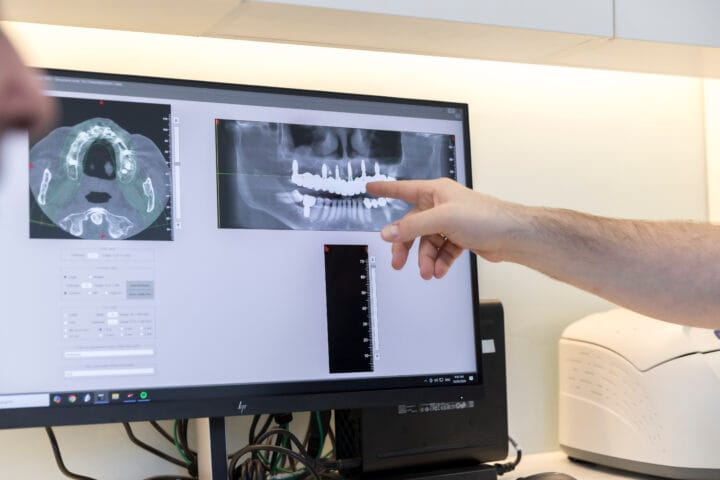
Being told there is not enough bone for an implant does not necessarily mean implant treatment is impossible. The amount, location and quality of available bone need to be assessed in relation to the proposed implant position and final restoration. Depending on the findings, options may include bone grafting, sinus augmentation, site development, a staged implant approach or an alternative restorative plan.
SDAI has a dedicated Bone Grafting for Dental Implants page that explains grafting, healing, graft materials and the situations in which grafting may be considered. Complex cases involving bone loss should link directly to that page for more detailed information.

Failed Implants and previous Implant Complications
A previous implant problem needs careful assessment before another procedure is planned. The cause of the problem may relate to the implant, surrounding bone or gum tissues, infection, bite, restoration, implant position, medical factors or a combination of issues.
Assessment may involve reviewing previous treatment information, examining the implant and restoration, and using imaging where indicated. Depending on the findings, options may include monitoring, treatment of surrounding tissues, restorative changes, implant removal, grafting, staged retreatment or a non implant alternative. A new implant cannot be assumed to be appropriate until the reason for the previous problem has been considered.
Why dentists refer complex implant cases to SDAI
SDAI works with dental practitioners who refer patients for implant assessment, surgical treatment or additional treatment planning input. The practice’s current referral pathway includes dental implants, full arch reconstruction, onlay bone grafting, sinus grafting, ridge and site development, extraction and socket preservation, implant complications, implant removal, All on 4 treatment and other implant related procedures.
Dr Dean Licenblat also teaches and mentors dentists in implant dentistry through professional education programs, including his role with the Australasian Implant Academy. For referring practitioners, the requested scope of treatment can be agreed before treatment begins. Where appropriate, patients can return to their referring dentist for ongoing general dental and restorative care.
About Dr Dean Licenblat
Dr Dean Licenblat is Principal Dentist at Sydney Dental Aesthetics & Implants and has focused on implant dentistry for more than 20 years. He has placed thousands of dental implants in clinical practice and completed a Master’s degree in Oral Implantology at Goethe University in Frankfurt. His postgraduate education includes implant treatment planning, bone grafting and zirconia implants.
Alongside his clinical work, Dr Licenblat is involved in implant education and mentoring for other dental practitioners in Australia and internationally. He is Head Lecturer of the Australasian Implant Academy. Dentists also refer patients to SDAI for implant related treatment planning and management of cases that may involve additional surgical or restorative complexity.
These qualifications and experience provide context for patients and referring practitioners but do not guarantee a particular result. Individual outcomes and suitability vary and every case requires clinical assessment.
A clear pathway for complex implant treatment
1. Consultation and history
Understand the patient’s concerns, previous treatment, health history and treatment goals.
2. Diagnosis and imaging
Assess the teeth, gums, bite, bone, existing implants and relevant anatomy. CBCT may be used where clinically indicated.
3. Treatment options
Discuss implant and non implant options, whether grafting or staged treatment may be needed, and the role of the final restoration.
4. Coordinated treatment plan
Outline the proposed stages, timing, risks, alternatives, likely maintenance and costs. For referred patients, communicate with the referring dentist as appropriate.
5. Treatment and review
Proceed only after informed consent and monitor healing, restoration and ongoing maintenance according to the individual plan.
Considering a second opinion for implant treatment?
Patients sometimes seek another assessment after being told that implant treatment is not possible, that significant grafting may be required, or after experiencing a problem with an existing implant. A second assessment can help clarify the current clinical findings, available options, risks and alternatives. It does not mean that a different treatment recommendation will necessarily be appropriate.
Patients are welcome to bring previous scans, reports or treatment plans to their consultation where available.
Complex Dental Implant FAQs
What is considered a complex dental implant case?
A dental implant case may be considered more complex when factors such as significant bone loss, previous implant complications, multiple missing or failing teeth, full arch rehabilitation, grafting requirements, aesthetic demands or medical and restorative considerations require additional assessment or staged planning. Complexity is determined by the individual clinical situation rather than by a single diagnosis.
Can SDAI assess a failed dental implant?
Yes. SDAI can assess implant related concerns and previous implant complications. The first step is to determine what may have contributed to the problem and assess the current condition of the implant site, restoration, bone and soft tissues. Treatment options depend on the findings and may or may not involve another implant.
Can a failed dental implant be replaced?
In some cases a replacement implant may be considered, but this cannot be assumed. The reason for the previous failure, current bone and gum condition, infection risk, available space and restorative plan all need to be assessed. Some sites may require implant removal, healing or grafting before another implant is considered.
Can I get a second opinion about a dental implant treatment plan?
Yes. Patients may seek an additional assessment if they have questions about an existing treatment plan, have been told they are not suitable for implants, have been advised that grafting is required or are concerned about a previous implant. Bringing existing scans, reports and treatment information can be helpful.
What imaging may be used for a complex implant assessment?
Assessment may include clinical examination and diagnostic imaging such as CBCT where clinically indicated. Three dimensional CBCT imaging can help assess bone dimensions and nearby structures such as nerves and the maxillary sinus as part of implant planning.
How long does complex dental implant treatment take?
Treatment time varies considerably. A straightforward implant may involve fewer stages, while grafting, healing, management of complications or full arch treatment may require a longer sequence. SDAI provides an individual treatment plan and expected timeline after assessment.
Can complex implant treatment be completed under sedation?
SDAI offers in chair IV sedation for suitable patients and procedures. Whether sedation is appropriate depends on the planned treatment and the patient’s health and individual circumstances. Sedation options can be discussed during treatment planning.
How much does complex dental implant treatment cost?
There is no single cost for a complex implant case because the treatment required can vary substantially. Fees depend on factors such as imaging, the number of implants, grafting or site development, removal of existing implants, restorative treatment, sedation and the number of treatment stages. SDAI provides an individual treatment plan and fee information after assessment.
What should I bring to a complex implant consultation?
If available, bring details of your medical history, medication list, previous implant or dental records, recent X rays or CBCT scans, treatment plans and information about any previous implant complications. SDAI can advise whether additional imaging or records are required.
What should I consider when choosing a dentist for a complex implant case in Sydney?
Useful factors can include relevant postgraduate training, experience with the type of case being assessed, diagnostic planning, understanding of restorative as well as surgical requirements, ability to manage complications, communication with referring practitioners and clear discussion of risks and alternatives. Dr Dean Licenblat has more than 20 years of implant dentistry experience, has placed thousands of implants, completed postgraduate study in Oral Implantology and teaches implant dentistry to other dentists. These are factual considerations for patients to weigh rather than a guarantee of outcome.
Risks, alternatives and individual suitability
Dental implant surgery, bone grafting and other invasive procedures carry risks. Depending on the procedure and individual circumstances, these may include pain, swelling, bruising, bleeding, infection, delayed healing, graft or implant complications, injury to nearby anatomical structures and the possibility that further treatment may be required. Implant treatment may also fail to integrate or may develop complications over time.
Alternatives may include retaining and restoring existing teeth, a dental bridge, removable prosthesis, a different implant approach or no treatment. The relevant risks, benefits, limitations and alternatives should be discussed as part of informed treatment planning before a patient decides whether to proceed.
Get in Touch with SDAI
Have you been told your implant case is complex, that you have limited bone, or that you need additional implant treatment planning? Contact Sydney Dental Aesthetics & Implants in Martin Place to arrange an assessment with Dr Dean Licenblat.
Patients referred by another dentist are also welcome. Referring practitioners can use SDAI’s online referral pathway or contact the practice to discuss the requested scope of treatment.
Call 02 9233 3301 or enquire online to arrange a consultation. A clinical assessment is required before treatment recommendations can be made.